
Character driven movie which follows the descent of a troubled man into becoming an urban, albeit violent, robin hood-esque persona and a counter culture emblem set to shake the hierarchic social structure status quo.
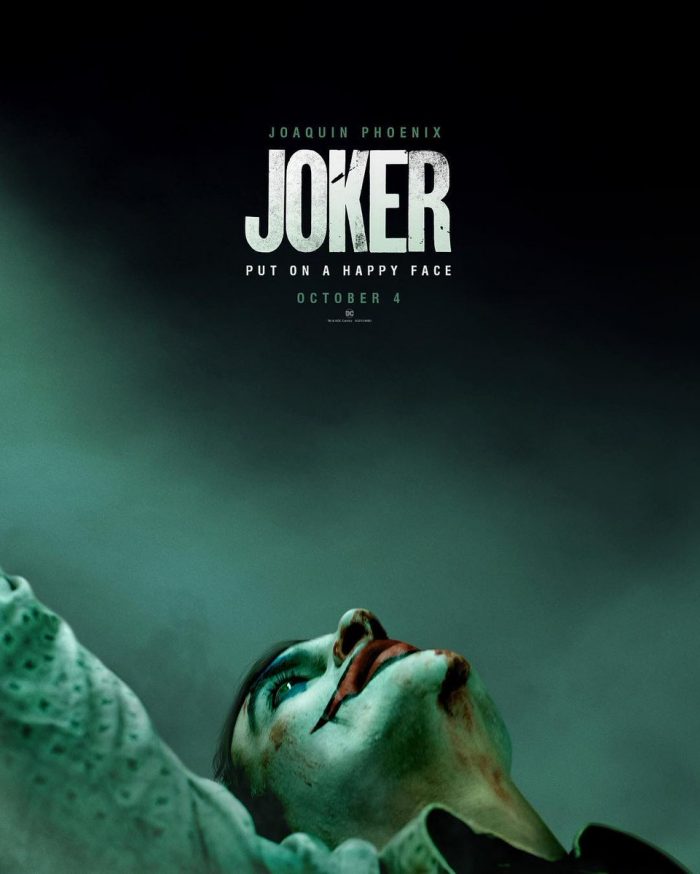
A CHARACTER STUDY
In the traditional origin story, one event serves as a trigger that changes the hero’s life forever. Whether it’s for a super hero, such as Peter Parker who gets bit by spider, gains powers, discovers how to use them (responsibly) or whether it’s with a villain. The villain arc usually goes like this: “brilliant scientist gets overwhelmed by own creation, falls into vat of toxic waste, gains superpowers”. This keeps the genre very much in the make believe world because we understand the actual consequences of those actions. We understand that a spider bite just leaves a nasty bump in real life or if it’s venomous it might hurt us, but ultimately not give us powers. Just like we understand that a toxic waste vat will kill or seriously injure us and not give us the power to harness electricity for example. This cements these stories in the world of make believe, fiction, fantasy. What’s interesting about Joker is how real it is. This movie is grounded in a believable setting and the hero (or rather villain’s) descent evolves through a collection of moments rather than a single spark igniting a character switch. There is no one traumatic incident Arthur Fleck (Joker) can harken back to when he decided to be bad, but rather a series of little moments that build up, amalgamating and eventually crescendoing into a chaotic and overwhelming drive towards violence that pushes our protagonist into crime and murder. This take offers a more subtle, perhaps more nuanced, (dare I say poetic?) and intimate portrait of how a man turns into a monster.
INFLUENCES
Set in the 1970s, Joker shows a grim, gritty picture of Gotham City, a city that serves as a substitute New York. It’s New York because we know of the lore and also because Batman (or Batman canon) films are usually filmed in NY (sometimes Chicago too). We also know it’s supposed to represent New York because in the movie because Arthur Fleck refers to finance bros as “Wall Street guys”. Now that we’ve established that Gotham is a fictionalized New York, it’s easy to draw comparisons to earlier cinematic works that take place in the actual New York, namely Scorsese films.
Two Scorsese films come to mind while watching Joker and they are Taxi Driver and The King of Comedy.
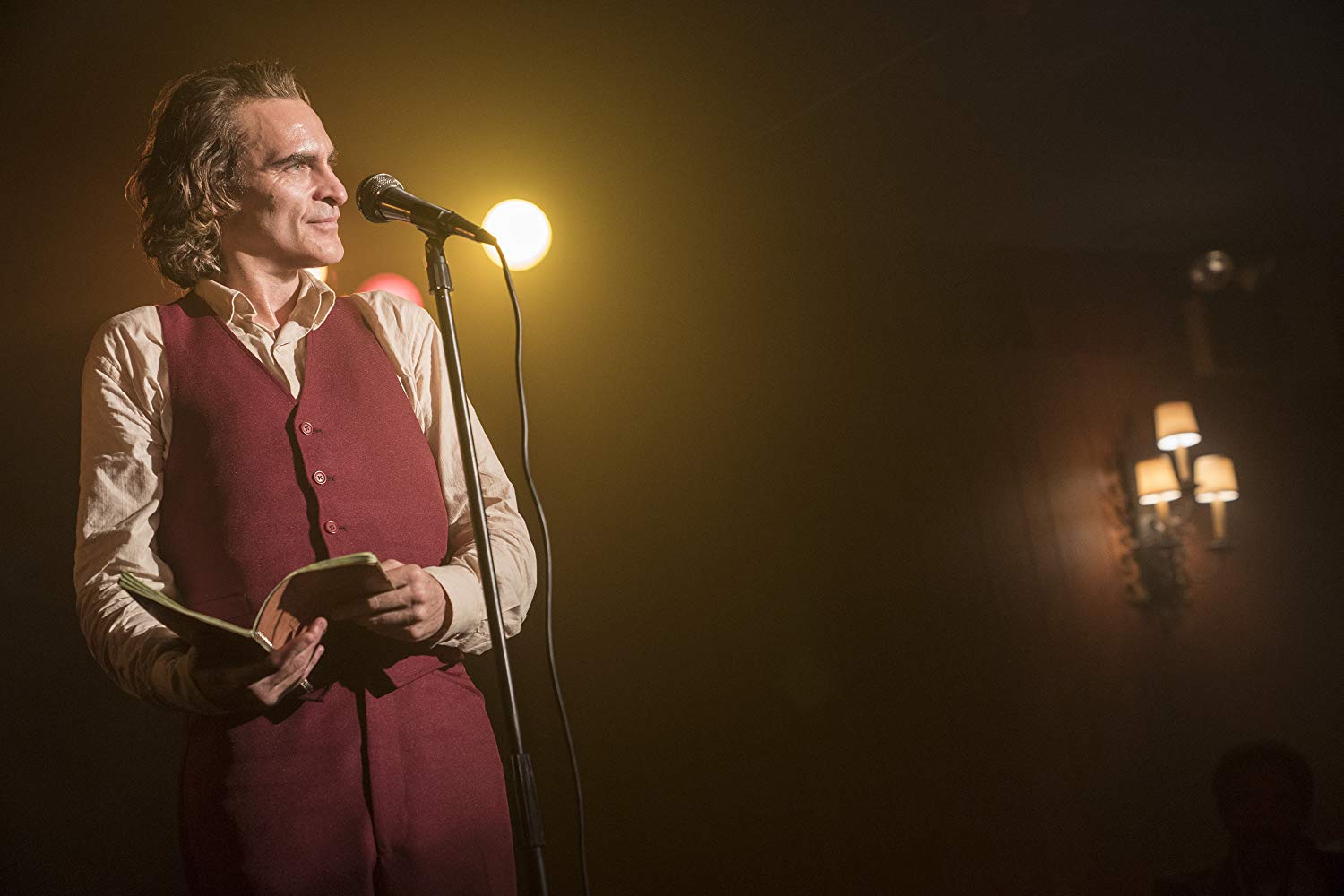

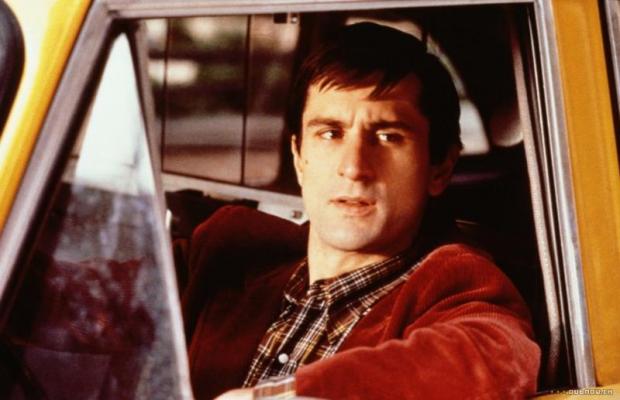
Taxi Driver is set in a similar timeframe as Joker and has a familiar backdrop in the gritty New York or New York like cityscapes. Whether it’s the porno movie theaters or the dirty metro lines these two movies bear a visual resemblance in their settings. Not only that, but the themes are also pretty analogous. Chasing after a politician (or politician to-be in Joker), these movies follow an unhinged protagonist as they turn to violence for liberation and more. There is even a scene where Joaquin Phoenix dances shirtless around the room with his pistol in his hand à la Robert de Niro playing Travis Bickle in the supremely famous “you talking to me?” scene. Perhaps the most compelling similarity is both movies toying with our perception of what actually is happening.
There are some moments in Joker where we as an audience are not sure what is actually happening in the story or if what we are seeing is a story concocted by Arthur Fleck’s imagination. We are sometimes led to believe it’s happening one way, but then later shown that it was all a fantasy stemming from twisted mind of our eponymous protagonist. The play between what’s real and what’s imagined leaves a lot of scenes open for interpretation. We are not sure what to follow and the confabulation of Arthur Fleck as an unreliable narrator makes him twist reality or manipulate the images we see on the screen. This storytelling tactic serves to heighten the feeling of chaos that permeates throughout this movie. This situation is similar to the ending of Taxi Driver and the debate as to whether Travis Bickle actually acted like we saw in the movie and lived to look back on it or whether it was the hopeful fantasy happening inside of his deranged mind.
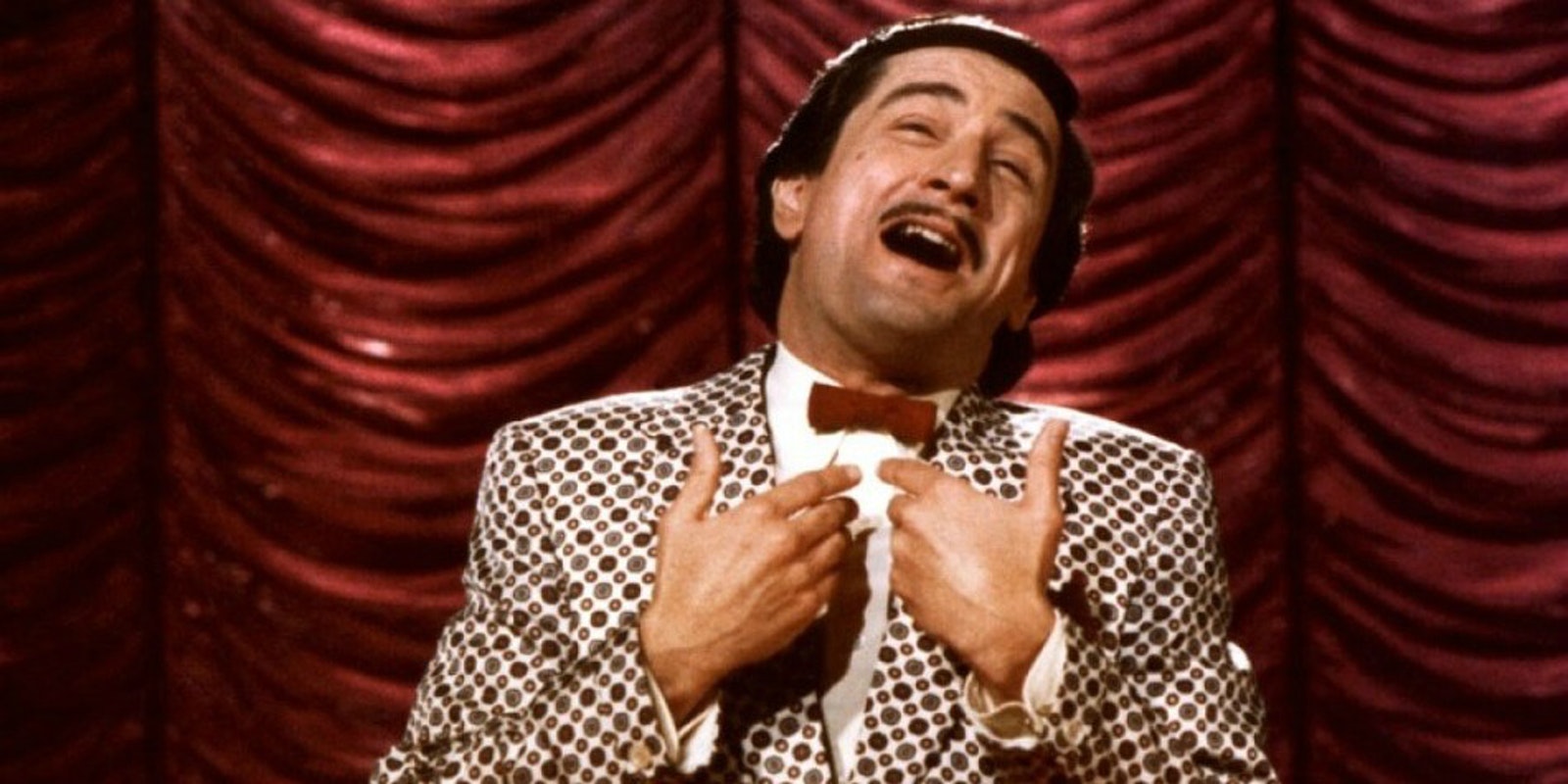
Now that we’ve explored the similarity between themes, let’s look at the similarity between story and content, which is where The King of Comedy comes in. The first obvious connection is the presence of Robert de Niro the actor, who plays a character in the late night TV world. The second connection is the tale of the persistence and delusion of a would-be comedian who’s sure he’s destined for great things. Both Rupert Pupkin (the main character of The King of Comedy, played by Robert de Niro) and Arthur Fleck are mentally unstable and will go to great lengths to become famous. They both share a fascination for a late night TV host and resort to violent actions when dealing with rejection. While Rupert remains obstinate about achieving success in the comedy world, Arthur is more disillusioned with the way things are and decides that the confines of TV are too small for his character, proclaiming instead that his “life is a comedy”.
On top of Scorsese there are other allusions, the most notable being to Charlie Chaplin. When Arthur Fleck covertly enters a movie screening, it’s “Modern Times”, a movie is about a man having trouble keeping up with modernization. Arthur Fleck equally describes the world he’s living in as getting “crazier out there”, a sign he feels he can’t keep up with the change he feels is happening. Subsequently, not coincidentally the Charlie Chaplin penned “Smile” plays in the Joker soundtrack. This serves two purposes. The first is the allusion to Charlie Chaplin, arguably the iconic figure of comedy of the 20th century, which Arthur Fleck certainly studied when trying to become a comedian (there’s a scene where he transcribes acts, jokes and moments of performances at a comedy club, so we know he takes notes and does his research). This ties into the whole comedian/clown/joker aspect. The second purpose is to use this song contrapuntally. This ties into the brilliantly contrapuntal soundtrack, packed with optimistic songs set to sombre moments of the movie. When a song is used as a counterpoint the general feeling or emotion derived from the song is in direct contrast with what’s happening on the screen (ie happy song, sad scene). The opening lyrics to the song go as follows: “Smile though your heart is aching/Smile even though it’s breaking”. The intention of the song is wait and “You’ll see the sun come shining through for you” one day. The Arthur Fleck-ian interpretation of the song (if we assume he heard it) would be to smile, no matter what. But it is not a genuine smile, which adds to an eerie feeling of confusion about the character and how we are supposed to feel about him.
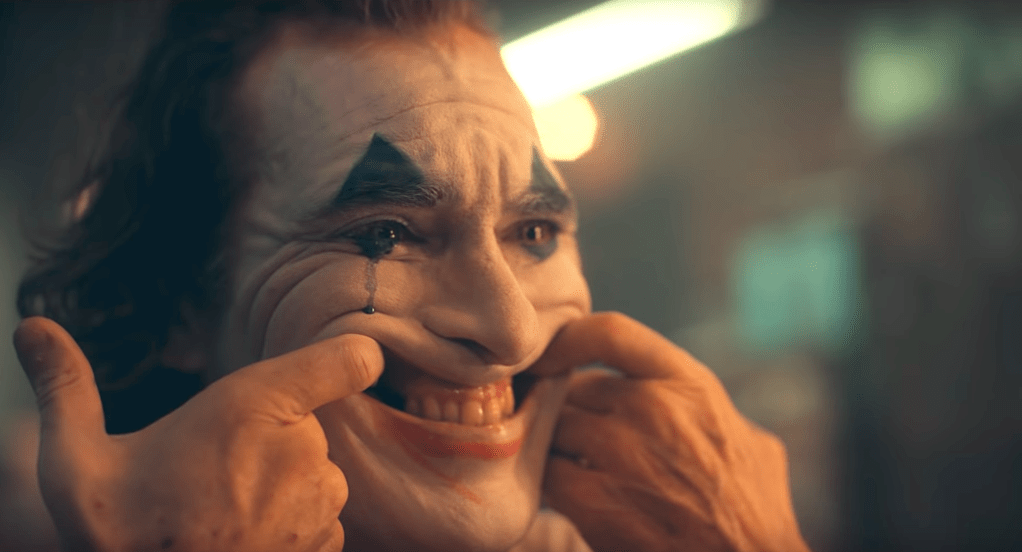
“I used to think that my life was a tragedy. But now I realize, it’s a comedy.” – Arthur Fleck (Joker)
HERO VS. VILLAIN
We live in an era where the line between hero and villain is marred. The distinction has become more and more blurry and hard to define. One of the latest DC movies shows Batman and Superman fighting against each other. Instead of good versus bad, it seems the public is more interested in psychologically rich characters. Though that’s been the case with TV for the last few years (Walter White in Breaking Bad, Don Draper in Mad Men and Dexter in Dexter…) the movie superhero genre is gently swaying in that direction. Venom last year, Joker this year and the aforementioned Batman vs. Superman to name a few.
SPOILERS AHEAD!!!!!!!!!!
As a film, Joker plays with our sensibilities and our allegiances to the protagonist. We know he’s a villain but we also feel for the guy. The only life he’s ever known has been a lie, he was adopted unbeknownst to him, he was terribly abused as a child, he laughs when it’s inappropriate and has a card to explain (but sometimes fails to take it out in time), people see him as a freak, he gets beaten regularly, he loses his job and so on…
This man was in a mental institution and once he left, the funding for his social work gets cut, meaning he is no longer able to receive medical treatment. These are serious issues which are approached with great sadness and empathy. We see Arthur Fleck trying to fit in and failing and being left behind by a society that doesn’t take care for its poor or its sick and is scared of mental illness. I started to feel bad for Arthur and I was inadvertently rooting for him.
Only after Arthur Fleck shot the three Wall Street men on the subway did I realize I was rooting for him. It almost felt good to see the finance bros/bullies get taken down, but why? Of course they were assholes, but even assholes and bullies deserve the right to live (and hopefully have time to learn to become better people). It seems as though this moment was a release for Arthur and we were seeing him unfolding in front us. We were exploring the darkness of the character with empathetic eyes. As if he were the answer to disrupt the power dynamics of a big city like Gotham. Even the city’s people responded to the killing and having the lens of a dissatisfied populace ripe for an uprising gives sense as to how a leader like the Joker could rise up in the vacuum and be, in some sort, the leader or face (or mask?) of the movement.
Batman is not a big part of the movie. Thomas Wayne (Bruce Wayne’s father) is a central figure and he is seen in opposition to Arthur Fleck. We inevitably see the parents death scene (shot by a random killer from the mob) but never see a tête-à-tête with Batman the superhero. Since Batman is such a beloved hero, I wonder (if a sequel were ever to be made) how they would juggle the conflict between Joker and Batman and who becomes the central character, the person we empathize with and in some sense the hero, or antihero.

A bold take on a classic superhero villain with efforts to shine a different light on a well known character. Many cinematic influences and an absence of a traditional origin story arc make for a compelling look into the descent into madness and create a tone of uneasiness and chaos. Worth a look – ⭐⭐⭐½
 Food and Film Reviews