Comedies From Around the World


And where to stream them
Could you use some hearty laughs? Then you are in the right place!

Below is a selection of some of my favorite comedies from different countries. I’ve tried to pick iconic movies that give an introductory taste of each country’s culture and sense of humor, but this is only just a beginning. 

Let’s start this international laughs festival (straight from your home)!

France

OSS 117: Cairo, Next of Spies (2006)

(Original Title — OSS 117: Le Caire, nid d’espions)
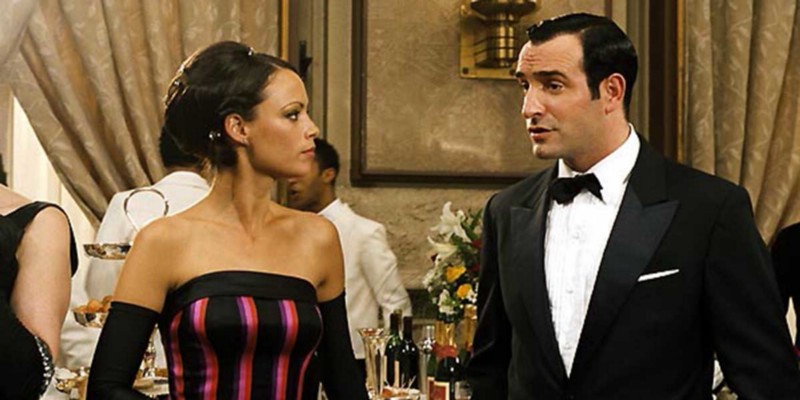
Bérénice Bejo as Larmina El Akmar Betouche and Jean Dujardin as OSS 117 (Hubert Bonisseur de la Bath)

From the team that brought you The Artist, this spy parody ripe with visual gags mocks James Bond’s swagger by bringing you his delightfully obtuse and arrogant French counterpart: Hubert Bonisseur de la Bath. The story takes place in Paris and in Cairo, where our hero spy is sent as an expert in the Arabic world, though he knows little to nothing about Egypt nor does he realize the perilous adventures he’s about to embark on.

Available to stream on Amazon Prime

Available to buy or rent on: Youtube, Google Play, Vudu, iTunes


Italy

 Viva La Libertà (2013)

Toni Servillo as one of the twins

Toni Servillo (La Grande Belleza) plays twin brothers Enrico and Giovanni who are diametrically opposed in profession, status and personality. However, their identical looks come in handy when Enrico (the governor) goes missing and his right hand man enlists twin brother Giovanni (the writer) to replace him and mishaps ensue. This switcheroo political farce harkens back to the premise of Dave, but with better tailored suits. This satire is for people who like their comedy with a political message.

Available to buy or rent on: Youtube, Google Play, Vudu, iTunes


Japan

Tampopo (1985)

(Original Title — タンポポ)
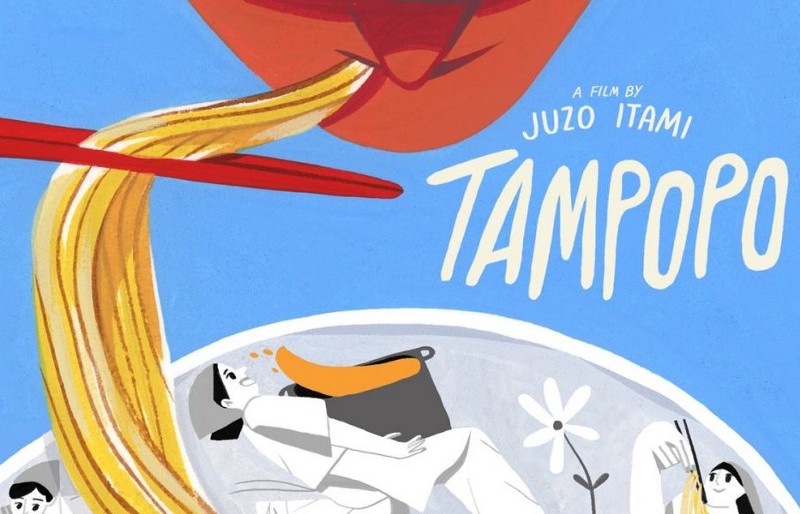
Labeled a “ramen western”, a satirical pun on the “spaghetti westerns” made famous by Clint Eastwood; this original, creative and offbeat comedy breaks the fourth wall, playfully toys with American cinematic stereotypes and celebrates Japanese culture’s affection for food and for sex — sometimes in the same scene. While the protagonists are on a search for the perfect ramen recipe, Tampopo has all the necessary ingredients for a timeless comedy.

Available to buy or rent on : The Criterion Channel, Youtube, Google Play, Vudu, iTunes


Hong Kong

Drunken Master (1978) 

(Original Title — 醉拳)
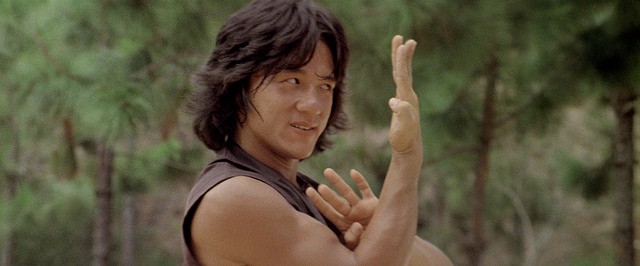
Jackie Chan as Wong Fei-hung

Based on the real-life Chinese folk hero, Wong Fei-Hung, Drunken Master stars a young Jackie Chan, bursting on the scene. No one does action comedy quite like Jackie Chan. This early example shows off the ballet-like precision of his expertly choreographed kung fu sequences as well as his elastically expressive face. The camp physical comedy set to a beautifully rural surrounding and late 19th century garb make for a slapstick folktale to remember!

Available to stream on: Hulu

Available to buy or rent on: Amazon Prime, Youtube, Google Play, Vudu, iTunes


India

Delhi Belly (2011)
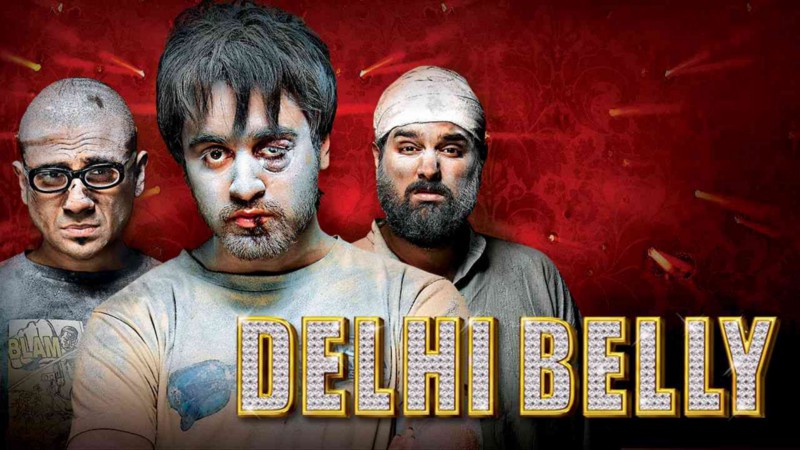
Vir Das, Imran Khan and Kunaal Roy Kapoor as three unfortunate roommates

This action packed comedy of errors is a little more off-the-wall, racy and sexually explicit than you might expect from a Bollywood comedy — and it’s excellent fun. Praised for shaking up India’s film industry standards, this physical comedy offers up raunchy laughs and an accurate representation of India’s millenials. Anecdote: The movie’s main musical theme is a play on words, which if pronounced quickly, is a swear word in Hindi. (The wordplay goes deep in this one.)

Available to stream on: Netflix


New Zealand

What We Do In The Shadows (2014)
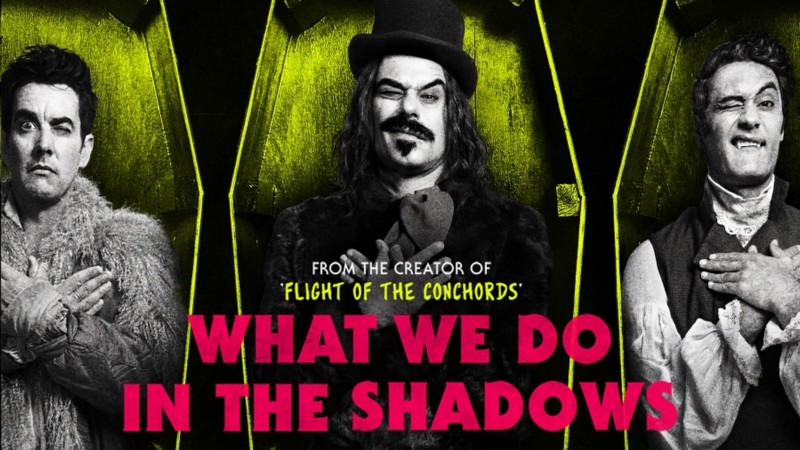
This cult classic pairs up long time collaborators Taika Waititi and Jemaine Clement in their trademark understated comedy style. What We Do in the Shadows is an enchanting mockumentary with quasi historical characters who touch upon tropes from the horror film genre, and kindly poke fun at them. Good for people who like a bit of horror (or spoooookiness) in their comedy.

Available to stream on: Hulu

Available to buy or rent on: Amazon Prime, Youtube, Google Play, Vudu


Argentina

Wild Tales (2014)

(Original Title — Relatos Salvajes)
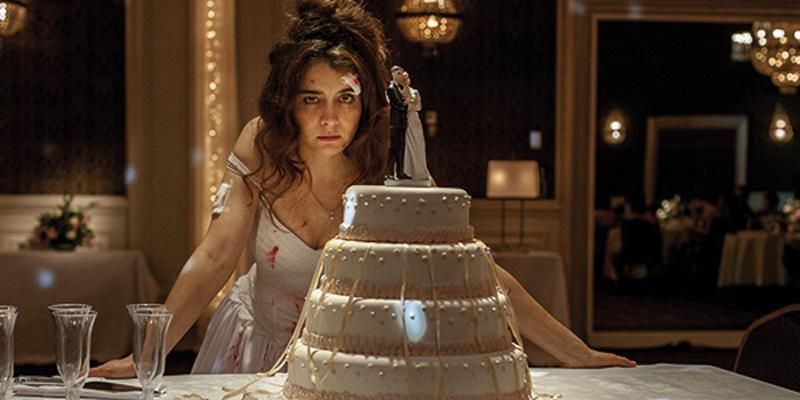
This crazy comedy is a masterful take on the dark comedy genre. It’s broken into several different stories that function as one-act tales of different situations, all heightened to a “wild”, unpredictably wicked and uproarious climax. This romp is a rollercoaster of a good time and delivers dry, outlandish humor that you’ll be sure to remember forever.

Available to buy or rent on: Amazon Prime, Youtube, Google Play


Sweden

A Man Called Ove (2015)

(Original Title — En man som heter Ove)

Rolf Lassgård as Ove and Bahar Pars as Parvaneh (in background)

If you have a bleak sense of humor, this one’s for you. True to Sweden’s existentialist nature, this film follows Ove, a nihilist grumpy old man who wants to be left alone mourning his wife’s death. He and his neighbor unexpectedly strike up a friendship that reminds him of the warmth in the world, and that he still has a lot to live for. Some touching moments and some excellent dark humor make for a sweet, ironic and deeply human film that’ll warm your heart one minute, make you contemplate death the next and make you laugh all throughout. A wonderful film!

Available to buy or rent on: Amazon Prime, Youtube, Google Play, Vudu, iTunes


Canada

Starbuck (2011)
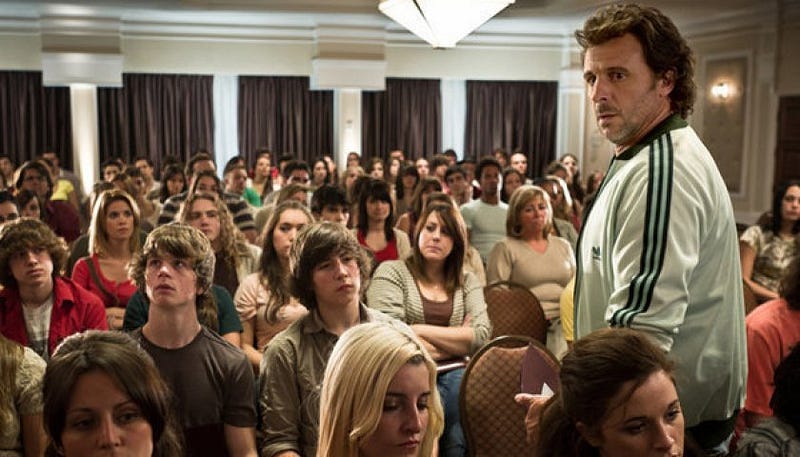
Patrick Huard as David Wozniak (aka Starbuck)

This cheeky story follows a down-on-his-luck man whose humdrum daily life changes forever when he finds himself in an unbelievable situation: he suddenly has 533 kids. Inspired by a true story, this interesting exploration of a man who navigates a sudden onslaught of fatherhood to hundreds sees him deal with the fruits of his sperm-donating past and deal with love and self-acceptance. A gentle French-Canadian comedy for an entertaining night-in.

Available to buy or rent on: Amazon Prime, Youtube, Google Play, Vudu, iTunes


Australia

Crocodile Dundee (1986)
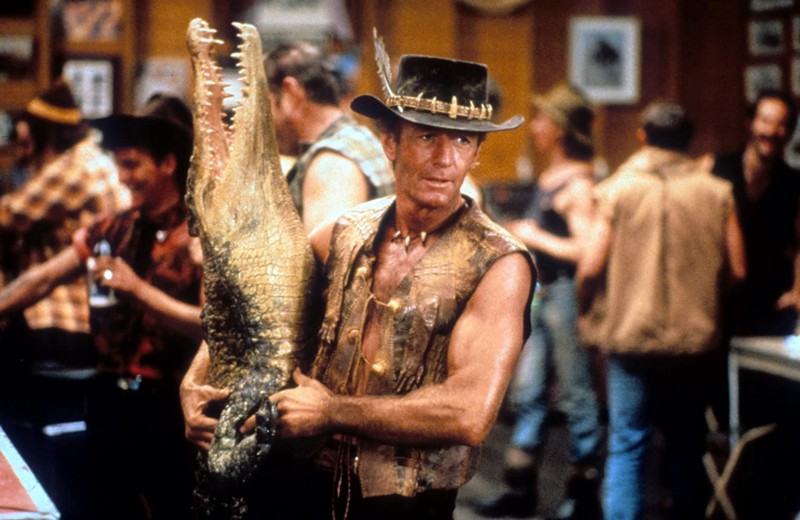
“That’s not an alligator” (Paul Hogan as Mick Dundee)

A timeless classic! For many Americans, this iconic 1980s film was the first exposure to the drawl, banter and the attitude of the citizens from the “land down under”. Mick Dundee was the prototype Australian in their eyes and embodied the lost insouciant masculinity of old Hollywood “cool dudes” like Paul Newman. Though it might be less well-known by today’s generation, Crocodile Dundee was a smash hit when it came out and instant cultural phenomenon. This adventure comedy has it all: animals, nature, romance, knives, crocs, a real life jungle and a concrete jungle. Enjoy!

Available to stream on: Hulu and Sling TV

Available to buy or rent on: Amazon Prime, Youtube, Google Play, Vudu


South Africa

The Gods Must Be Crazy (1980)
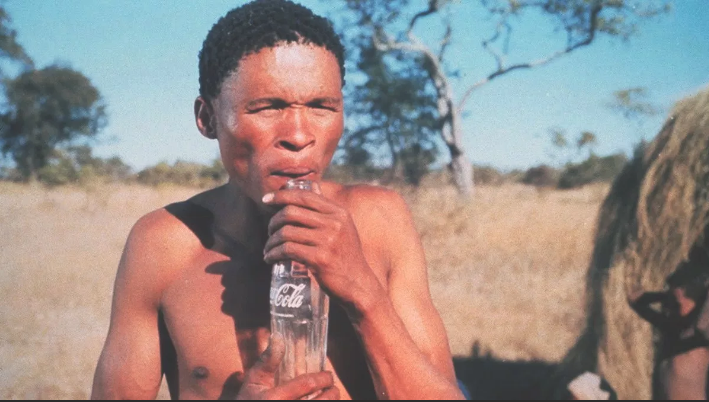
N!xau as Xi

“An epic comedy of absurd proportions” — Tagline

This allegorical tale follows Xi, a Sān bush farmer, who along with the rest of his tribe, leads a perfectly peaceful and pleasant life before a Coke bottle falls from the sky. Initially thought to be a present from the Gods, it instead only causes conflict, so Xi is tasked with disposing of it by sending it off the edge of the Earth. On his pilgrimage, he finds an unfamiliar and ill-adjusted world for which “civilized” is a big misnomer. This screwball comedy offers slapstick-y gimmicks, but also exhibits subtle reflections on human nature.

Available to buy or rent on: Amazon Prime, iTunes


Russia

Ivan Vasilievich Changes Profession (1973)

(Original Title — Иван Васильевич меняет профессию)
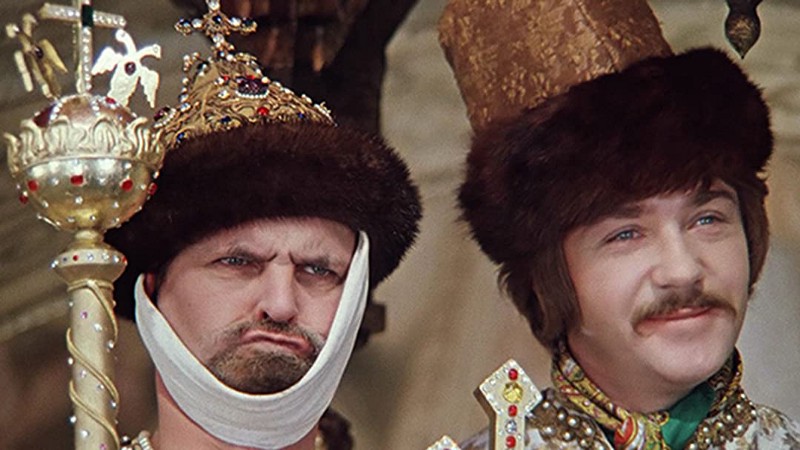
Yury Yakovlev and Leonid Kuravlyov

Also known as Ivan Vasilievich: Back to the Future, this film is based on the play Ivan Vasilievich by Mikhail Bulgakov. This sci-fi comedy was a Soviet Union classic dealing with situational absurdities from having Ivan the Terrible switch places with an Ivan from the 1970s. This time-travel tale provides a humorous and thoughtful look into the anachronistic differences between two distant eras, as well as pokes fun at Ivan the Terrible, who still acts like a tsar, even though he’s lost the hierarchal status. A thoughtful time-traveling comedy for the ages!

Available to stream on: Youtube


So goes the first batch of comedies from around the world. I hope you enjoy the laughs in different languages and the international senses of humor!

Article (written by me) also published on Incluvie’s Medium Publication.
Netflix’s Self Made: what was real and what wasn’t?

The true story of Madam CJ Walker

Self Made is a 4 part mini series on Netflix that depicts the rise of early 20th century’s hair care business mogul, Madam CJ Walker. It is based off of the book “On Her Own Ground” (now renamed “Self Made”), a biography authored by none other than the great great granddaughter of Madam CJ Walker, A’Lelia Bundles.

Since it’s a biopic and might possibly be some viewers’ first introduction to the story of Madam CJ Walker, it’s important to note what is fact and what is fiction so that her legacy remains intact.

NB. In the article, I will refer to our heroine by any one of her names: Sarah Breedlove, Mrs. Walker and of course, Madam CJ Walker.

So, how historically accurate was the mini-series?

Let’s dive in.

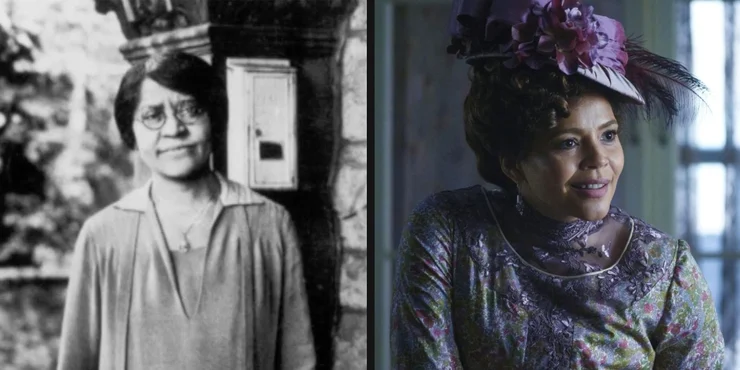
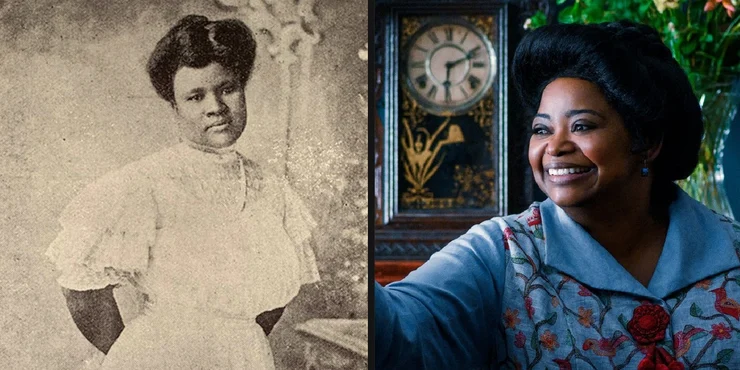
Madam CJ Walker on the left, and Octavia Spencer portraying her on the right.

FACT: Sarah Breedlove had a self made fortune.

She built an empire with hair care products. She changed her name when she married CJ Walker, and did not inherit her money nor did she marry into it.

FICTION: She was a millionaire.

According to A’Lelia Bundles, Madam CJ Walker died with a fortune of 600 thousand USD. Even though that sum accounts to 9 million dollars in today’s money (when adjusted with inflation) our protagonist never amassed 1 million in her lifetime.

Wrongly attributed as being the first female self made millionaire by The Guinness Book of World Records, that title might have actually gone to Annie Malone.

“Don’t sit down and wait for the opportunities to come. Get up and make them” — Madam CJ Walker


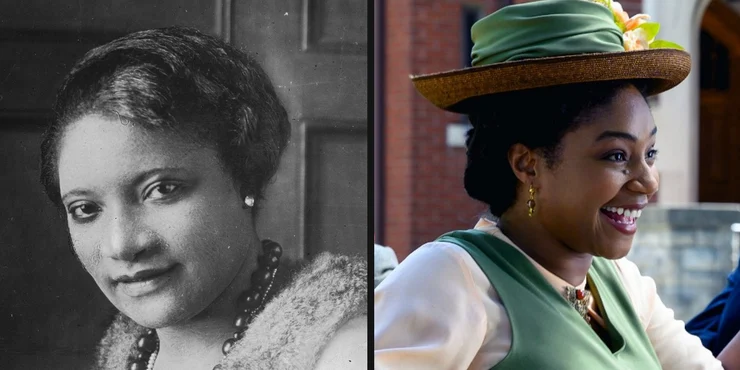
Annie Turnbo Malone on the left. Carmen Ejogo portraying fictional “Addie Munroe” on the right.

FACT: She had a business rivalry with another female hair care entrepreneur.

Madam CJ Walker first worked under the tutelage of another hair care businesswoman, Annie Turnbo Malone. After working as her sales rep, Madam CJ Walker started her own line of products which were eerily similar to Annie Malone’s products, down to the name: Wonderful Hair Grower.

FICTION: Addie Munroe.

Addie Munroe is supposed to serve as Annie Turnbo Malone’s fictional counterpart in the mini series. The competition between her and Madam Walker is the main conflict and Addie comes out as the clear villain. But Annie Malone never saw Madam CJ Walker as her arch nemesis to the extent that the Netflix series would have you believe.

There is also a storyline that pits Sarah and Addie against each other because the fictional “Addie” symbolizes the coveted light skinned standard of black which makes our protagonist self loathe the darkness of her own skin. In real life, it seems like the rivalry was strictly business. Also, testimonials recount Annie as being the first millionaire, though that is disputed because accounts of her money is less well documented than that of Madam Walker’s.


Lelia Walker on the left and Tiffany Haddish portraying her on the right.

FACT: Lelia (Sarah’s daughter) lived and worked in Harlem and supported queer rights and was a patron of the arts.

She owned the Dark Tower hair salon in Harlem and had many LGBTQ customers and friends. She helped shape the Harlem Renaissance and eventually took over the company after her mom’s death.

FICTION: Lelia‘s lesbian relationship.

It’s unclear why this ever came about in Self Made. By all accounts, her depicted sexuality was a total fabrication for the series, possibly to add a layer to the character or add dramatic tension between her and her mother. It’s doubtful that even if her homosexuality was an open secret amongst family, that they would choose this platform to out her.


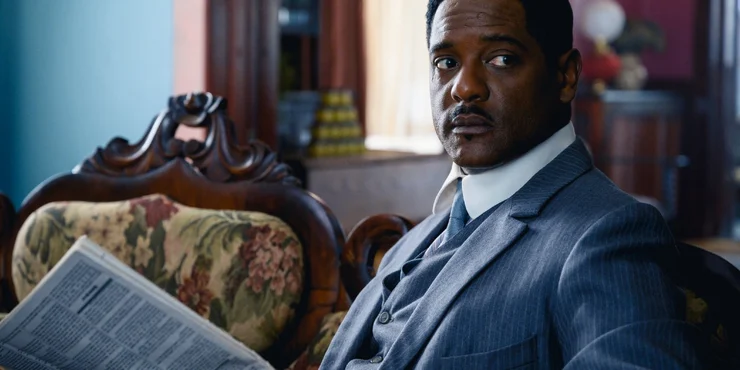
Blair Underwood as CJ Walker (no photographs publicly exist for the actual person).

FACT: Sarah Breedlove married an ad-man named CJ Walker.

This is true, and he did contribute to advertising for the family business. They divorced as in the series and she kept her name. He tried to start another beauty business with his second wife and failed.

FICTION: He was not her second husband nor did they move from St. Louis to Pittsburgh together.

They met in Denver (which was completely omitted from the series) and he was Sarah Breedlove’s third husband. She also did not draw out their divorce for years like in Self Made.


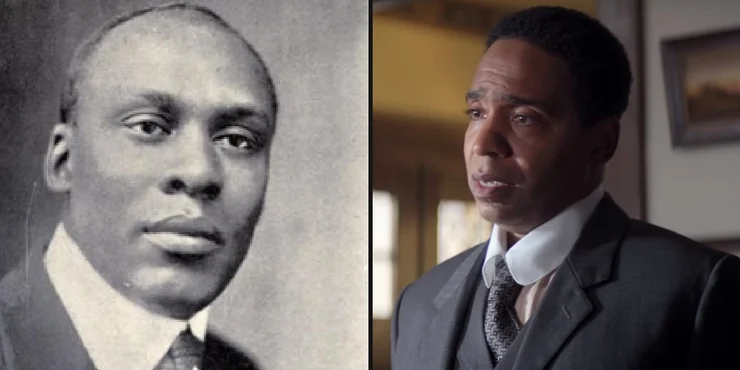
Ransom on the left and Kevin Carroll portraying him on the right.

FACT: Madam CJ Walker had a trusted attorney called Ransom.

He took care of the company and became CEO once Lelia died.

FICTION: Cousin “Sweetness”.

In the series, Ransom has a cousin tied to organized crime who eventually gets lynched for defending Ransom’s son. Though it made for powerful content, the character that Ransom worries over never existed in real life.


W.E.B Dubois on the left and Booker T. Washington on the right.

FACT: She met Booker T. Washington and W.E.B. Dubois

Madam Walker made the biggest donation to the NAACP at the time in 1919. It was for $5000 which translates into $77000 in today’s money. That was one of her many philanthropic ventures.

FICTION: Booker T. Washington endorsing Addie Munroe

In Self Made, Booker T. Washington endorses the Annie Malone substitute Addie Munroe. In reality, he did not believe in beauty products, saw them as vain and would never promote a beauty business, though it does fuel the rivalry in the series.


Sothere we go. It seems Self Made got its own beauty treatment in the shape of a Hollywood revision that glossed over accurate history in favor of a more dramatized storyline.

The fictionalization did not seem to make for a better story. Even in the realm of fantasy, the dream sequences in each episode were a bit gratuitous. Part 1 shows a boxing match. Part 2 shows a musical. Part 3 shows the “Walker Girl” aka the light skinned standard of beauty haunting her. Part 4 shows flashbacks to her parents. These dream sequences, along with the modern soundtrack, back-dropped to an era-appropriate setting and costume design, seem a little out of place.

Although the intent was probably to introduce the Madam CJ Walker story to a new audience; by omitting certain key elements of the story, Self Made has constructed a skewed vision of the Madam CJ Walker story.

To learn more, check out these books: Hair Rising and Beauty Shop Politics.


DIVERSITY

Needless to say, Self Made rates shows positive depictions of African American women (and men) as successful entrepreneurs, lawyers, sales agents and more at a time when the generation before them were enslaved.

Even though it was fictional, it depicts Lelia as a lesbian and treats the subject delicately.

A truly inspirational story of a self made woman, played beautifully and with heart by the amazing Octavia Spencer. - ⭐⭐⭐

Article (written by me) also published on: Incluvie’s Medium Publication Page.

“Marriage Story” is no “Kramer vs. Kramer”

Much like Kramer vs Kramer, this ironically named movie follows the disintegration of a marriage and the legal processes therein of divorcing your spouse (a more contextually harmonious title would be “End of Marriage Story” or even “Divorce Story”). But Noah Baumbach names his film Marriage Story because the premise he chases after is something like “love conquers all, even divorce.” Which is why he oscillates between the little expressions of love and couples that with the vehement anger and disgust expressed by our two ill-fated lovers: Charlie and Nicole.

These characters share a son, Henry, whose custody and place of living is the main question they argue about. Both Charlie and Nicole feel like they lose their agency and control to their attorneys in the divorce process. The divorce lawyers construct an illusory version of the truth in order to win the case rather than listening to the truth that organically emanates from the characters. This seems like a good metaphor for the film as a whole, where the illusion of “real” takes precedence over the authentic.

Which brings us to our emotional stakes.


EMOTIONAL STAKES

Marriage Story feels like it sprung from the mind of a theater director who wanted to put up a play where the only note was to “be real”. And so, as often these plays become, it transmogrifies into a clinical study where true emotion gets substituted for sensational artifice.

The image of “real’’ is carefully crafted as if designed by a lab that dictates where to place the likeable scenes and where to inject the exposure to the darker sides of human nature. Have Nicole give him a trumpet here to make us like her at this moment in time. Have the stage director touch Charlie’s thigh here to make sure we know something morally ambiguous is going on. It becomes so tirelessly technical that I didn’t care much for the relationship between Charlie and Nicole. Instead, I saw all the little buildups where the director indicates how the audience should feel rather than organically letting us decide on our own. Examples of these moments are whenever an inauthentic tableau appears for the sole purpose of reminding audiences that film is a visual medium. This is perfectly illustrated whenever Charlie and Nicole both hold onto their son and he is caught in the middle. A pictorial metaphor so cliche and unsubtle that I rolled my eyes every time this happened (read: at least 3 separate moments of the film).

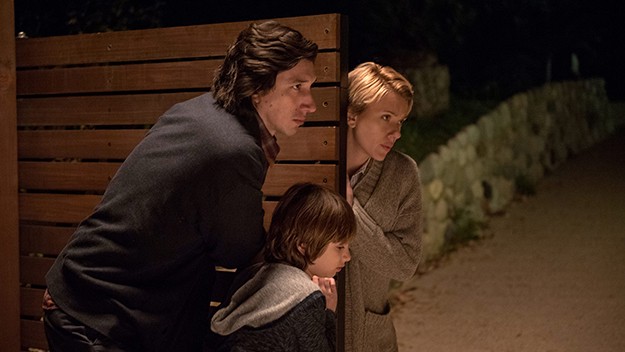
Another instance is when Charlie comes over to help Nicole close her gate and as they close the gate on each side, they stare at each other symbolically closing the door on their marriage. I don’t think the filmmakers could have made these moments any more obvious to the viewer, it’s as if this movie were shouting to us: “you are stupid! This is what’s happening!”. Not trusting the audience’s intelligence or ability to understand the subtleties of loving someone while hating them, too.

I doubt that the characters of Charlie or Nicole, who consider themselves artists, would enjoy this movie.

Let’s pick apart the hackneyed emotional climax. Scream, scream, sob. “Yes, yes, good, keep that emotion” says the theater director. This comes more from the realm of acting exercise than anything I’ve ever seen in real life, ever. I have, however, seen this scene countless times in plays and staged productions. I felt nothing during this scene. It didn’t offer anything new to say and passed by all the tropes of lovers’ quarrel since Euripides’ Medea. Charlie even punches a wall while shouting “you’re f***ing winning!” as if to reaffirm his masculinity after feeling like it’s being taken away from him by his ex-wife. Every moment is so wrought that it feels like it was written by a bot who was forced to read tragedies and penned this a couple minutes later.

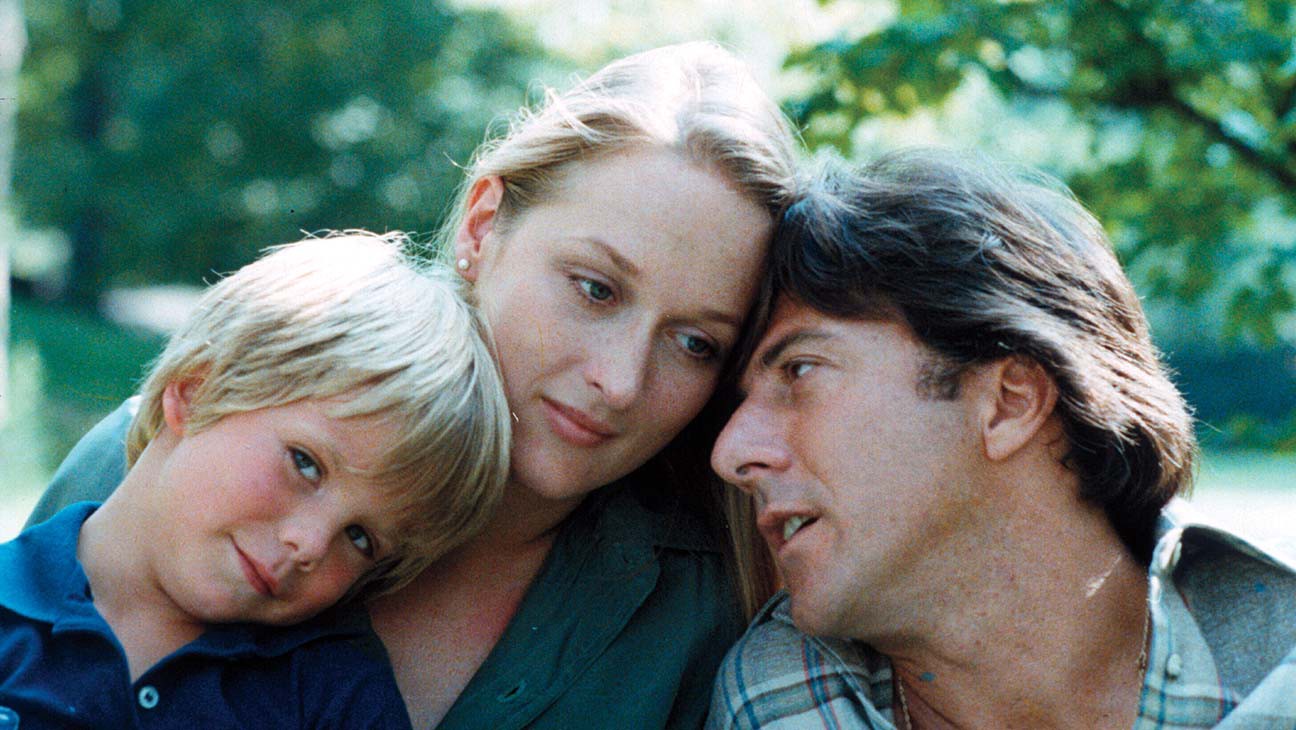
As someone who’s seen his parents’ marriage fall apart at a young age, I can say that the kid was quite passive and did not have much of a personality. The movie was not focused on the kid and there was never a moment of real danger like in Kramer vs. Kramer when Dustin Hoffman heartbreakingly races through traffic to get to the hospital. The paradox in the Kramer vs. Kramer scene is that by being a good father and rushing to get medical attention after his kid falls, the court will only see him as a negligent father who lets his kid fall on the playground in the first place. And then, he has to battle the doctors to stay in the room to take care of his son who’s painfully getting stitches. Those are real emotional stakes. He is fighting for his son and asserting his role as a father who’s here to take care of him. And I think the reason that Marriage Story lacks a situation like this is because the kid, Henry, never drives the story. The movie thus lives up to the “Marriage” aspect of the title while leaving out the fruit of their marriage, their parenthood, on the backburner.

No running in the streets in Marriage Story

The closest comparison is the scene where the interviewer comes over for dinner and Charlie accidentally cuts himself with a blade he thought was retracted. But the interviewer is so subdued and kooky that we don’t feel any danger. Charlie even falls to the ground after the cut, making the viewer think he’s gonna pass out while his kid innocuously walks over him. And then…. Charlie is absolutely fine in the next scene. The stakes seem only to be emotional and the kid is simply not involved. Charlie doesn’t fight for his kid in the same way Ted Kramer does. The real fight in Marriage Story, so it seems, is LA vs. NYC. This takes away the immediate stakes of the crumbling family and propulses into the clinical debate which relies on superficialities. New York produces geniuses with MacArthur Grants, LA has money and space. These are extremely reductive views of two culturally rich cities. This does a disservice to the movie as the heart of the disagreement is an everyday debate in the artistic circles of both central characters. This serves more to fuel the LA vs. NYC mentality of filmmakers and takes away from the most psychologically rich part that could’ve been explored a lot more: the kid, Henry.

This seems contradictory because what the parents are fighting about appears to be about the custody but if you dig deeper, it is actually not. This is why, while this film is technically proficient, it lacks the emotional maturity to guide the audience rather than indicate to the audience on how to feel.


DIVERSITY: A PRIVILEGED LOOK AT DIVORCE

Finally, a note on diversity. Marriage Story lacks diversity. The story revolves around two affluent white New Yorkers who can afford a bicoastal LA-NY divorce while working in the arts. Charlie can fly back and forth pretty frequently to see his son, who lives with his mother Nicole. Both parents pay for quite expensive lawyers. And in the end, they don’t really lose anything.

I have no idea why people are upset this film or its actors didn't win more Oscars for this. Overdone, indulgent and missing the point - ⭐ 

Article (written by me) also published on: Incluvie’s Medium Page.

Oscar Nominated Shorts: Animation— Reviewed

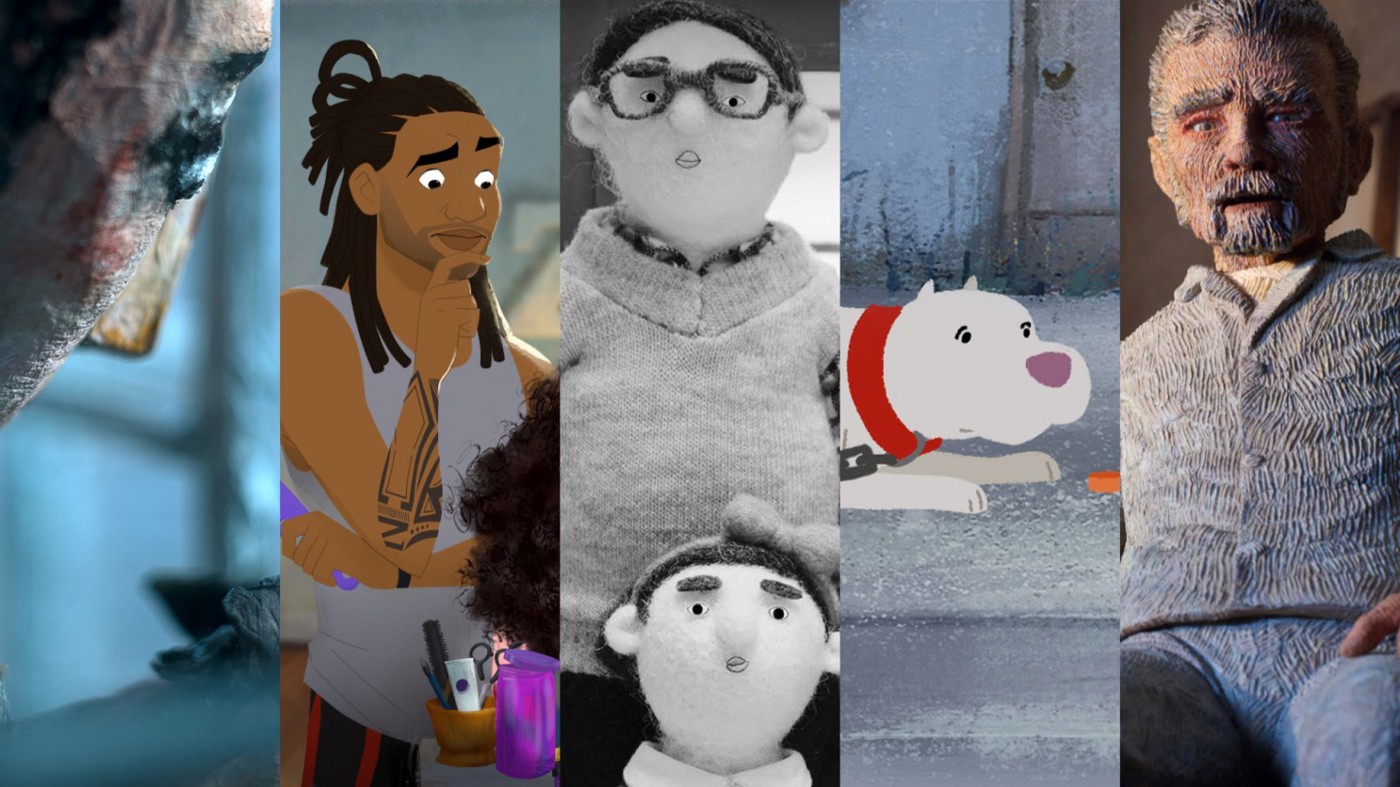
The 92nd Academy Awards were an interesting bag of snubs and nominations, especially concerning diversity, but here’s a quick rundown of an area that could often get overlooked: the animated short films.

Hair Love (USA)

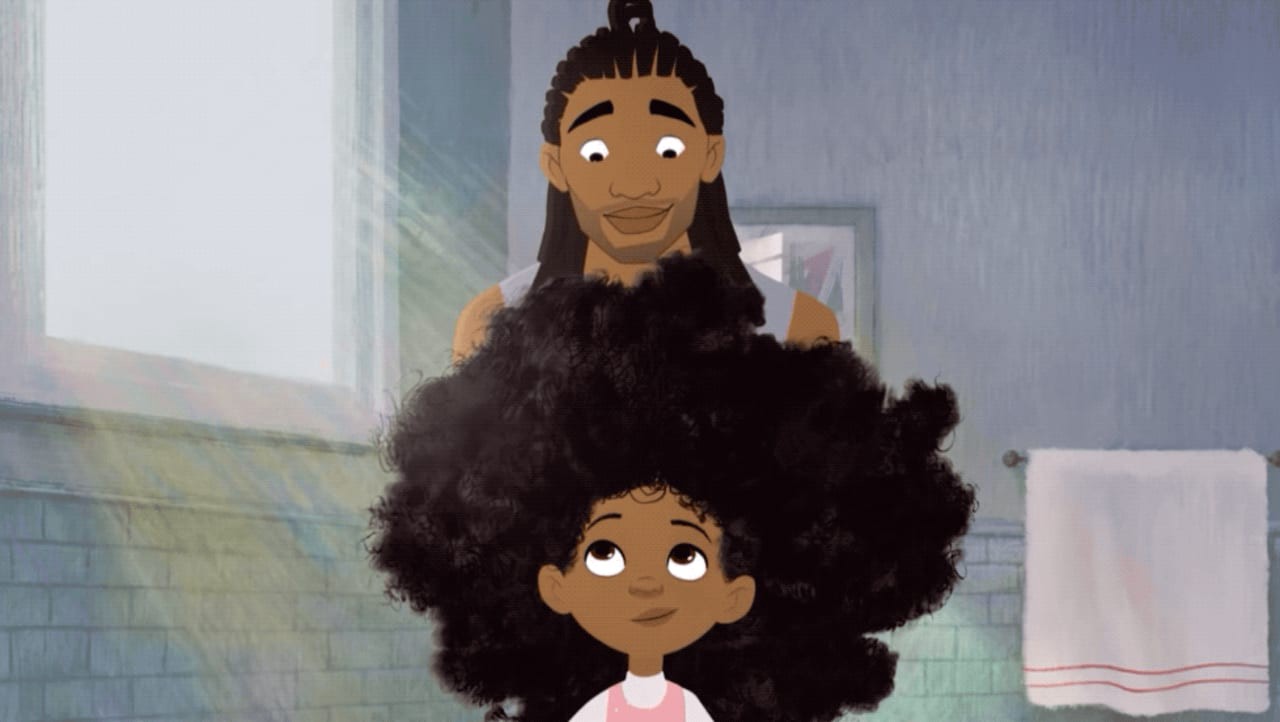
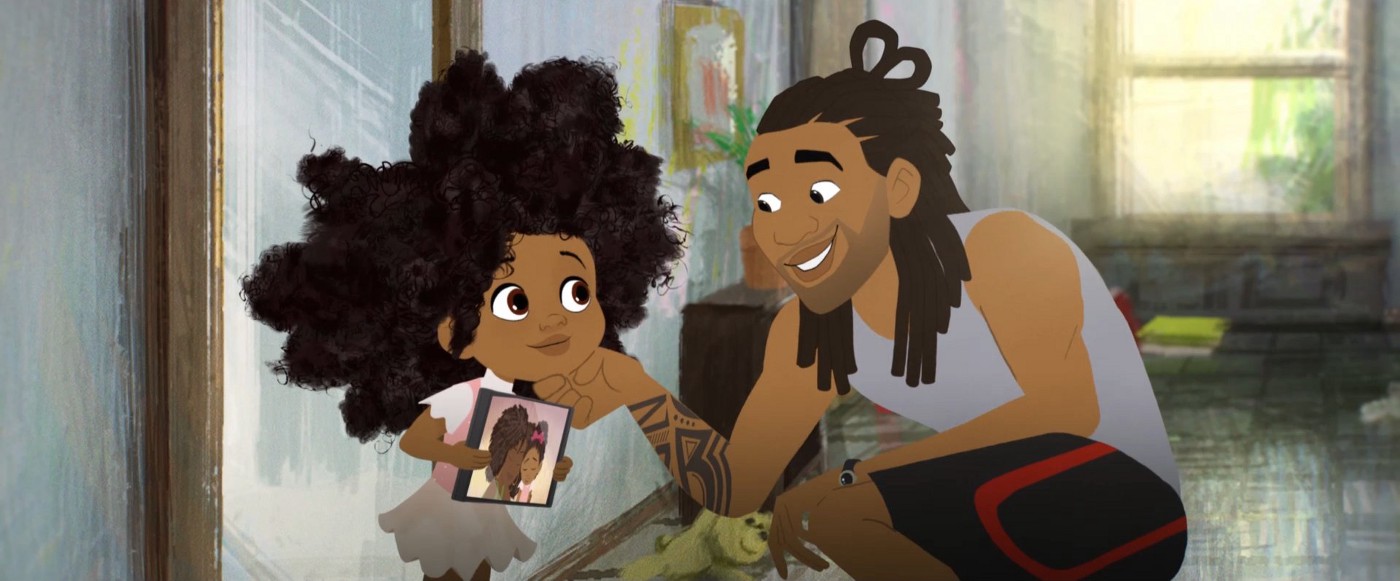
This short normalizes black hair and celebrates black beauty. It shows a father tenderly helping his daughter to do her hair and embracing her femininity. Director Matthew A. Cherry says “We’re not used to seeing black fathers depicted in this light. In the media, black dads are often not present or if they are, it’s some kind of negative connotation. This seemed like a good opportunity to tell a story about a black family that has natural hair, and in the medium of animation,” And the director has succeeded in showing a compassionate and affectionate father-daughter relationship and the themes of self-acceptance, love, and beauty shine through. ⭐⭐⭐⭐⭐


KitBull (USA)

Kitbull’s title is a portmanteau of Kitten and Pitbull, the two central figures in this short. These two figures, despite their differences, slowly develop trust and a friendship. Their friendship gives them the courage to get out of their situation (the pitbull has an owner who mistreats him and the other is a scared alley cat) and eventually and escape to a better life. It’s a sweet short with an enduring message of friendship and hope between species and that our differences aren’t as important as the way we treat each other. ⭐⭐⭐⭐


Dcera/Daughter (Czech Republic)

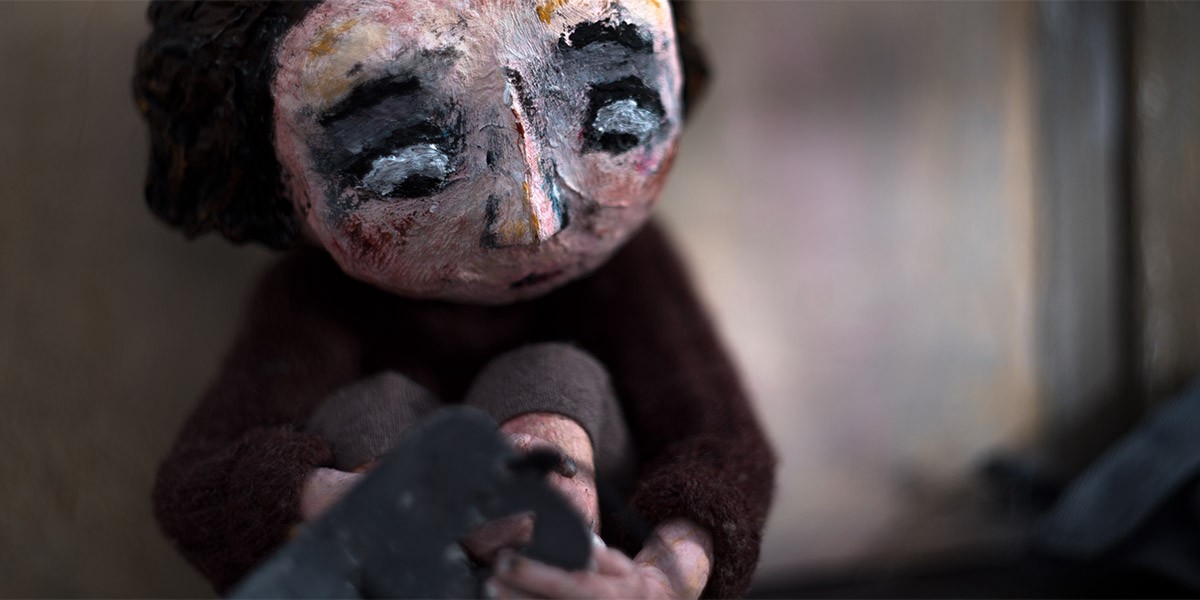
Perhaps the most original of the bunch, this Czech student short also looks at father-daughter dynamics, but in a much different light. It tackles themes of loss and creatively explores grief and memory. The dynamic camera work gives the story momentum and the paper mache figures express so much without facial expression, a testament to this short’s artistry. The stop motion animation and the hand drawn faces conveys a humanity that allows for emotionally powerful sequences. ⭐⭐⭐⭐


妹 妹 / Sister (USA)

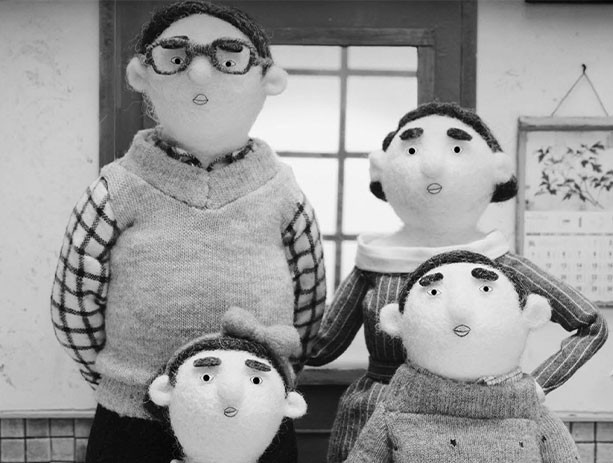
“Dedicated to the siblings we never had.” This sweet sibling love letter displays Siqi Song’s quirky and inventive style. She uses wool as “The texture is really dreamy; that resonates with the themes about memory and about childhood.” This felted stop-motion animation delivers a sweet, honest, and intimate portrait of family life in China with the one-child policy. The message of potential loss of sibling-hood and therefore childhood is powerful and well-executed. ⭐⭐⭐⭐


Mémorable (France)

This irreverent short follows a painter and his wife coping with his advancing dementia. As he starts to lose his memory and sense of reality so does the animation become more hallucinatory and abstract. This is probably the most visually striking and compelling of all of these, with a memorable end sequence and also equipped with humor and visual gags. ⭐⭐⭐⭐


OSCAR WINNER: HAIR LOVE

CHOICE : HAIR LOVE

Article (written by me) also published on Incluvie’s Medium Publication.