“Driveways” Review

The real thing Driveways has got going for it is its quiet power and simplicity.

I was able to watch this movie because of a program my local movie theaters are doing. They banded together in order to let out new releases for which you can buy virtual movie tickets. I got an online “movie ticket”, and supported my local theater all without leaving the home. Even though it wasn’t the thrill of “going to the movies” it was the next best thing. If your city does something similar, it might be worth checking out!
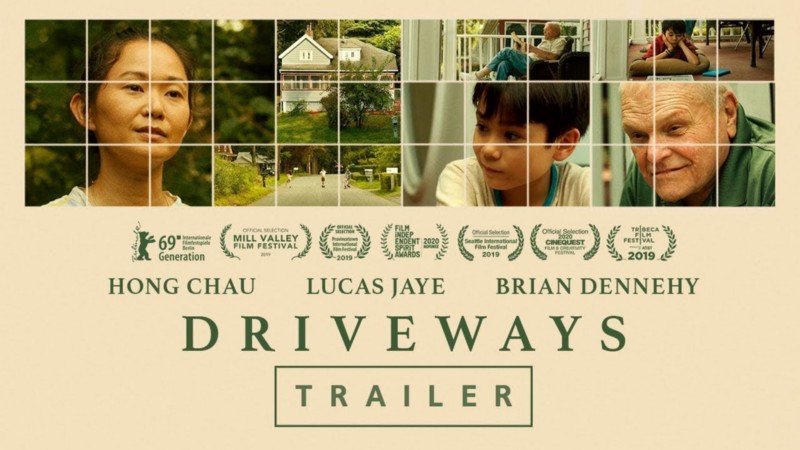
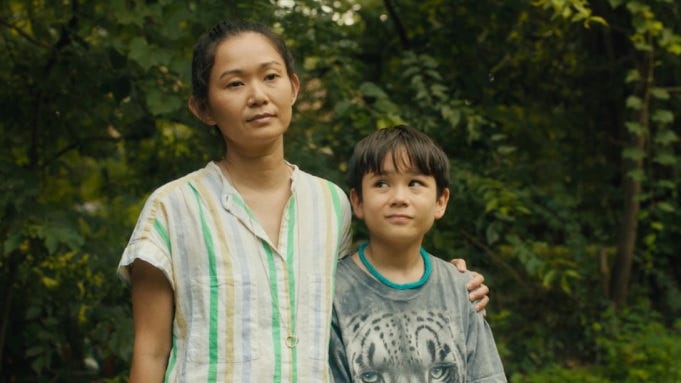
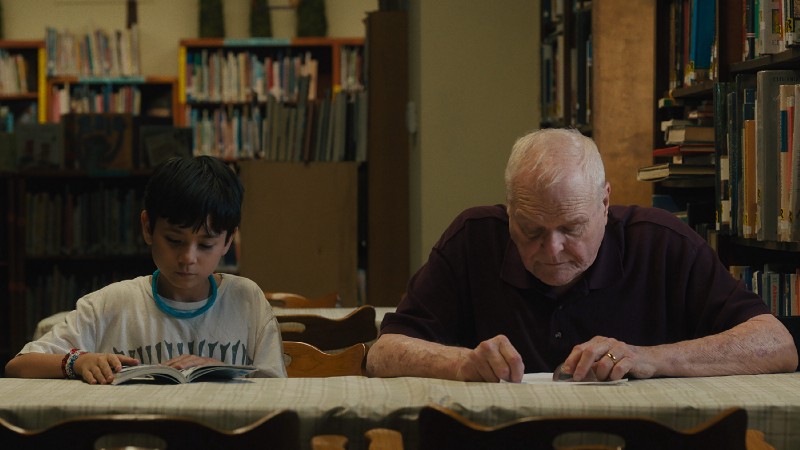
Driveways is about an Asian American family who moves into a dead relative’s home in order to clean it out. The family is made up of a mom Kathy (the estranged sister of April, the late relative) and Kathy son, Cody. Though it goes back and forth between both characters’ points of view, this seems to be mainly Cody’s story. We understand the predicament they find themselves in mostly through his eyes. It’s also a story of acceptance, being an outsider, and friendship.

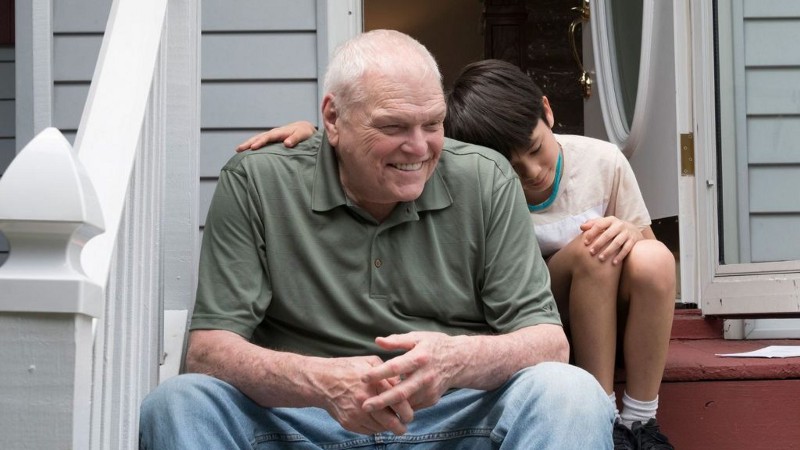
They befriend their Korean-war-vet neighbor Del, who is significantly older than them. He is played by the late Brian Dennehy. This was his last movie, and it was fortunately a compelling and moving one.


So, what was so enjoyable about Driveways?

The Powerful Subtlety

Themes of loss, decay, and regret are treated with respect and aplomb. Directed Andrew Ahn gently guides the audience towards understanding the implications of losing a family member. A family member that not only left behind a fraught sibling relationship, but also a hoarder-level amount of belongings to sort through. In some ways, the cleaning of the house for Kathy was the reparation of the broken relationship between the two. By taking on the task, sifting through all of April’s possessions and staying in her home, she learns more about her sister than ever before. They didn’t know each other much as adults, but by bonding through her sister’s earthly possessions Kathy became friends with April, from beyond the grave. And the subtle message of understanding an eccentric family member and accepting them for who they are comes through.
The Simplicity of the Story

Not much happens in Driveways, taking more from everyday life than from a typical movie structure. Aside from minor difficulties, there was no major conflict in the movie. Instead, there were major internal conflicts. Those took the shape of feelings of regret, and that simply being alive was a conflict in its own right. The real estate agent was super helpful, Cody became friends with the neighbor instantly, etc… but the mom was also struggling emotionally with the weight of the house and its financial implications and Cody struggled with fitting it and finding a play partner. He eventually found one in their neighbor Del and they struck up a May-December friendship. The neighbor’s internal conflict is his fear of aging, and the regret he feels about his reaction for not supporting his daughter as much as he could have when she came out as a lesbian (many years beforehand). These issues are not fantastical. They are common problems which tap into a broader picture of simple, yet very human, experiences. The simplicity of the story, and the time dedicated to each character allows us to follow their struggle.

Driveways doesn’t speed up the process just so that it can fit into the framework of a bookended movie.

Lush setting and evocative score

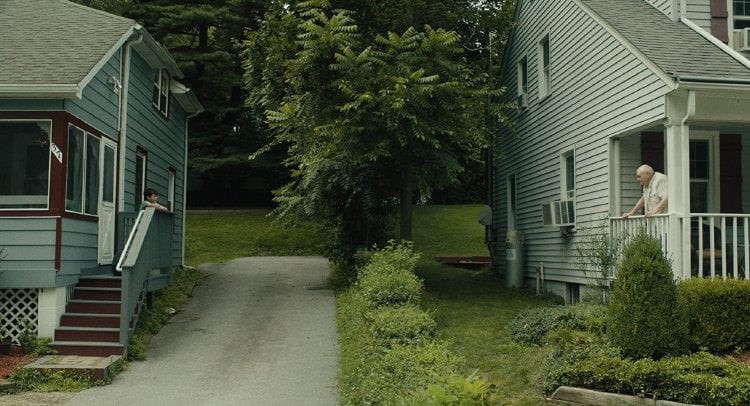
Shot in Poughkeepsie, NY, the backdrop in Driveways is gorgeous: green, lush and full of bucolic shots of a pleasant summer. The richness in the nature surrounding them only enhances the powerful relationships. The movie almost seemed like it was lit through a green filter, creating a relaxing tone. The green tone could also symbolize the internal growth each character makes. Kathy decides she might want to stay in the house, Cody is no longer scared of playing with friends his own age, and Del accepts a change in his life. The setting therefore functions as a vehicle for the characters.
The score was a pleasant surprise. Much like the exterior, it created an ambiance of serenity, simplicity and emotion. [composer] manages to evoke the same feelings of growth, struggle, and regret that the characters go through.

A moving movie - ⭐⭐⭐⭐
Let’s Hope Disney’s “Hercules” Remake isn’t Another “Aladdin”


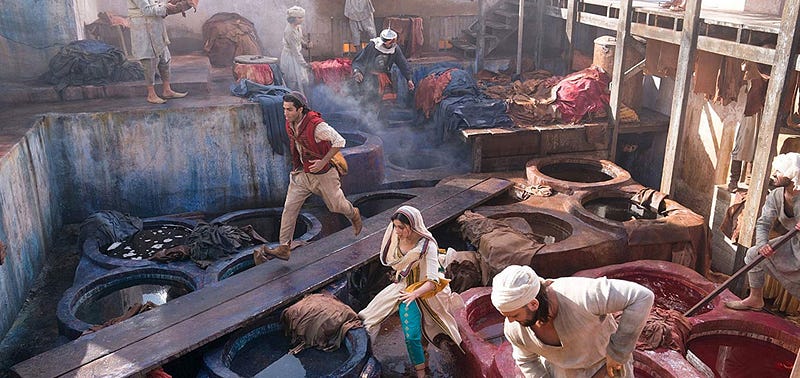
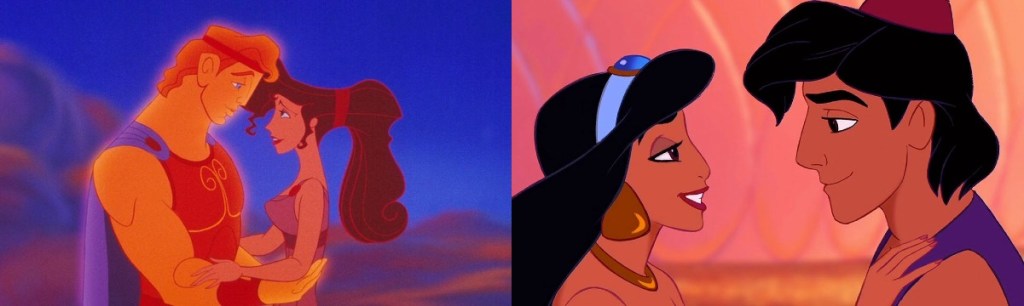
Disney’s remake library is about to get just a little bit bigger with the news of the live-action remake of their 1997 animated hit, Hercules. Hercules and Aladdin just so happen to be two of the most well-received movies from the 1990s’ Disney Studios renaissance. 2019’s Aladdin was a disappointing remake. Though it did fine at the box office, it was panned by critics, received a 57% on Rotten Tomatoes (as opposed to the original’s 95%) and understandably stirred controversy online for not addressing the harmful Arab representation of the first one. So if Disney wants to avoid another Aladdin situation, what are the pitfalls they can avoid with Hercules?


Changing the tonal nature of the movie.

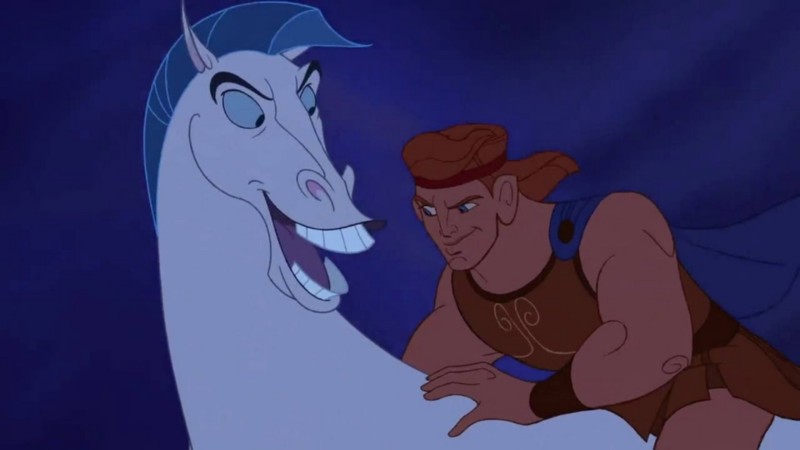
1992’s Aladdin and 1997’s Hercules shared a similar light-hearted tone and colorful animation.

ALADDIN

With Guy Ritchie at the helm, the 2019 Aladdin created kaleidoscopic chase scenes with dynamic camera movements. Though stylistically interesting, the cinematography and quick edits did not fit with the family friendly, fairy tale-esque tone of a starry-eyed Disney movie. Though a Guy Ritchie trademark, the chase sequences and action packed moments did not fit. Aladdin should not resemble Sherlock Holmes or Lock, Stock and Two Smoking Barrels. Instead, it should adopt the whimsical, soft light and wonder-filled tone of a kids movie. Trying to clumsily incorporate two different tones will dilute the quality of both. Though 2019 Aladdin tried to inject as much color as its original, it still felt as if it were tinted with a cold, bluish filter, therefore making the magical elements (Magic Carpet, Genie, etc..) seem more computerized and less whimsical.

HERCULES

Hercules has an analogous child-like innocence to it. A simple and strong story added to a colorful animation to create its tone. By using vibrant colors for the Gods and darker gradations for the underworld, we got another element of visual storytelling.

The Pitfall: turning it into a Beowulf -type greyscale gritty remake and veering too far away from the warm and friendly tone of the original.


Trying to Recapture the Magical Performance of the Original.

One of the biggest similarities between both animated versions is an incomparable voice performance.

ALADDIN

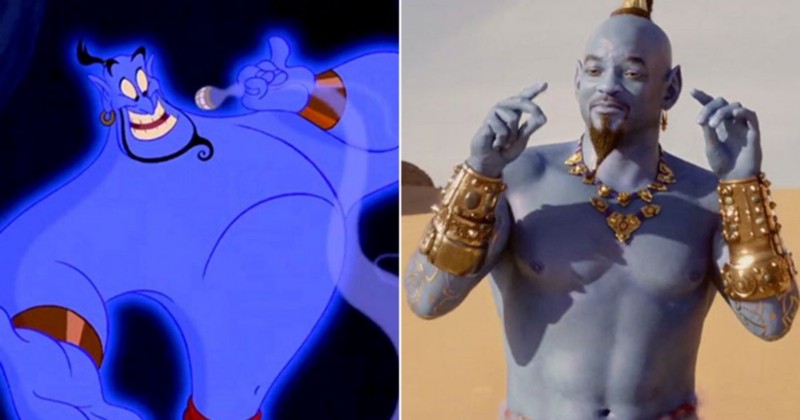
For Aladdin, that was obviously the Genie. No would could ever churn out a performance with more comedic ability, energy and stream of consciousness improvisation than Robin Williams. That was unmatchable voice work. Though a valiant effort, even veteran voice actor Dan Castellaneta (who plays none other than Homer Simpson on The Simpsons) voiced the Genie on the animated remakes, which were not as well received.

In the 2019 version, Will Smith did the best he could, but he tried too much to be like Robin Williams, the larger-than-life, pop culture referencing comedian who talks a mile a minute. What that did was only remind the audience that he was not Robin Williams. It was too similar of an interpretation of the Genie and so Will Smith had the misfortune of having an insurmountable task: trying to replicate -or worse- improve upon Robin Williams’ performance. Will Smith is a good actor so he muddled through, but asking him, or any actor, to operate and think like Williams is an impossible demand.

HERCULES

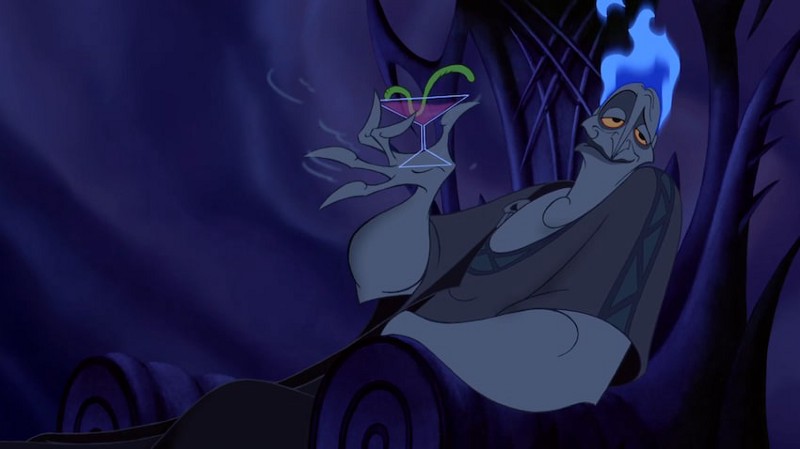
James Woods’ “Hades” tour de force performance is uniquely brilliant. His wit, dry, deadpan delivery only elevates the movie and crystallizes the drama and three dimensional villainy of the character.

The Pitfall: to have someone try and mimic the original performance. Whoever they pick would have to differ from that characterization of “Hades”. By doing that, the potential actor would make Hades their own, and mount a unique perspective on the troubled villain of the movie. Also, while a good voice actor, please don’t cast James Woods again.


Leaning on the Source Material

Both of the original movies were based on old literary tales.

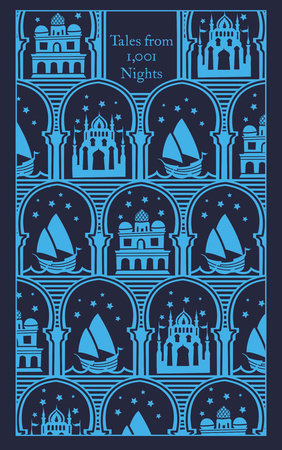
Tales from 1,001 Nights by Anonymous: 9780241382714 ...

ALADDIN

It’s hard to place exactly where Aladdin occurs because the literary source material is itself controversial. Disney set both of their Aladdin movies in the fictional and vaguely Syrian city of Agrabah. Most of what we know of Aladdin is not from Scheherazade, but from Antoine Galland’s french translation of 1001 Nights in the 18th Century (whom he transcribed from a Syrian storyteller). In that version, Aladdin is actually Chinese. This taps into a tragically Orientalistic retelling of Aladdin. For those who are unfamiliar, orientalism is the practice of augmenting a culture’s exoticism and has its roots in colonial era-xenophobia. Simply put, Western or European writers (in this case, Galland) mystify a culture in order to sell it to European markets and gain from the East meets West confusion by portraying the East as a backwards, mysterious and homogenous culture (aka, the “Orient”). Disney capitalized on this Orientalism by borrowing from Indian architecture (the sultan’s palace is a replication of the Taj Mahal), Middle Eastern culture, and by leaning into exoticism and mystery.

HERCULES

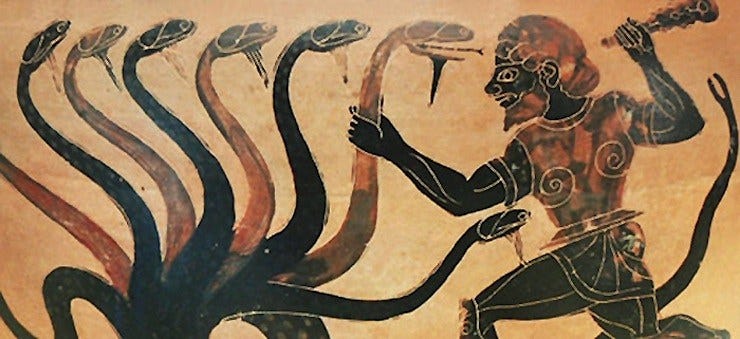
Hercules is, of course, based off of Greco-Roman mythology. The 1997 movie transposed some elements to current day. Thebes became a foil for New York and Danny Devito’s character borrowed more from a “New Yorker” stereotype. He was a sarcastic know-it-all: hardly an ancient Greek stock character. That being said, the actual plot of the film was a pretty good synthesis of the Greek mythology, but with a few modern twists and turns.

The Pitfall: Making it too historical or too modern. The original balanced between both pretty well, which is the reason for its relatability and success. Though it doesn’t have as many historical and socio-political ramifications as Aladdin did, it should nonetheless try to capture Ancient Greece better than a Hollywood blockbuster like Troy.


Those are the potential pitfalls to avoid, I wish Disney and all the filmmakers, cast & crew the best of luck on the Hercules remake.

The Enduring Beauty of “Persepolis”

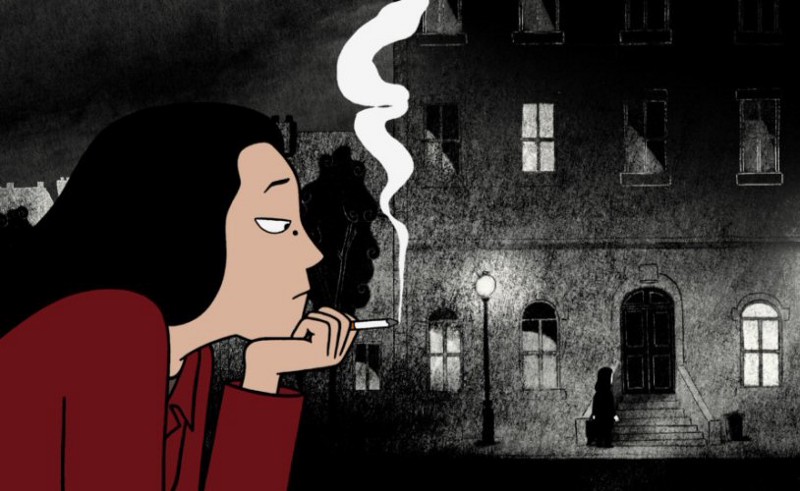
We find ourselves in the month of Ramadan, so I found this moment opportune to celebrate the work of a Muslim filmmaker: Marjane Satrapi. I decided to rewatch her magnum opus, Persepolis, and was struck yet again by its beauty. First a graphic novel by Satrapi, the story recounts her life growing up in Tehran during the Iranian Revolution. The powerful storytelling shines with poetic animation, an exploration of deeper truths and it highlights the protagonists complex search for identity. All of these give Persepolis an enduring beauty, and make it a film worth coming back to time and again.

THE POETIC ANIMATION

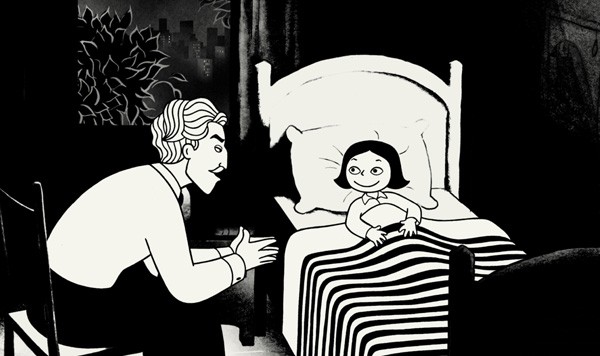
Different aspects of the animation hold meaning and thought behind it. The use of the fantastical puppet-like imagery to depict historical facts borrows from the ancient artistic tradition of Shadow Theater. When we see young Marji’s (pet name for Marjane) uncle recounting the political rise of the Shah (whom we now know was backed by the American and British governments for economic interests) the puppets dance and we see the retelling of history through the eyes of a child’s perception. In other words, Persepolis not only uses the ancient tradition of Shadow Theater to recount historical tales in a sort of “homage to the past” kind-of-way, but also brings us into the childlike interpretation of a younger Marji’s imagination in a masterful way.

There is also a lot of imagery or symbolism superimposed with grave depictions of war and violence. An example of this is when rioting silhouettes turn to complete darkness so as to suggest death rather than blatantly show us. In a similarly nuanced scene, one of Marji’s friends narrowly misses the neighboring roof he tries to jump to and falls to his death after being chased by armed soldiers. Instead of showing the fall, the moon behind the building becomes the central focus, with the subtle downwards look of the soldiers as the only scenic indication of his death.

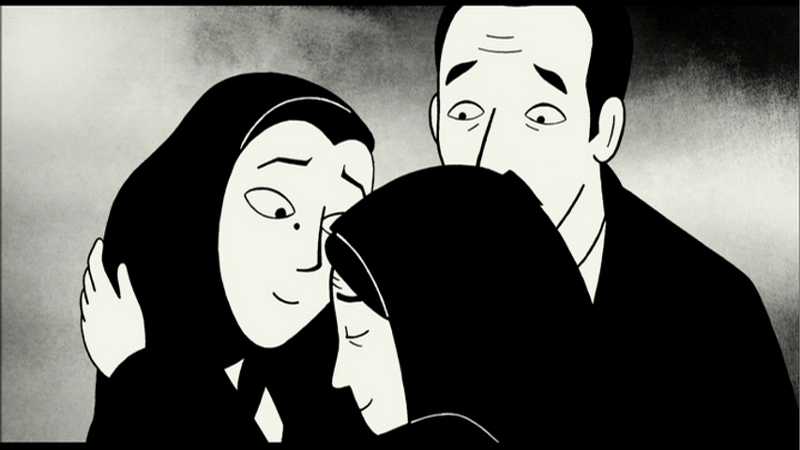
One aspect I haven’t yet addressed is the poetic use of black and white animation. Its power stems from the double meaning it represents. On the one hand the usage of black and white is a clever tool to dissociate from the present day storyline (which is in color). On the other hand, it echoes the ever present moralistic duality and the strict dichotomy between right and wrong that plagues a post-Revolution era Iran. This is clear when a zealot man chastises Marji’s mom for having hair poking out of her veil. Though in his eyes he sees her blasphemy as a sign that he has the moral high ground, he then disrespects her, calling her insulting expletives. This Manichean approach is fundamentally flawed, as few things in life fit into either right or wrong, which makes room for unjustified hypocritical moralism. On a similar note, Marjane later speaks out against men’s absence of vestimentary restrictions in the context of sexual liberation in women. “Don’t you think men wearing tight pants won’t turn us on?” she asks a board of teachers and administrators who are enforcing an even more strict sartorial policy on the women. Hypocrisy is an injustice Marji deals with continually.


THE DEEPER TRUTHS

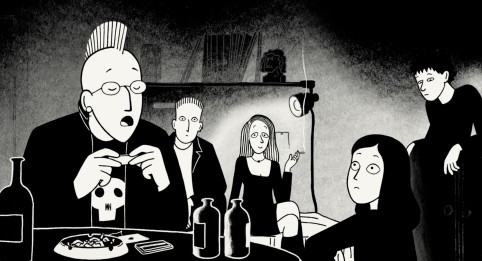
When Marji moves to Europe for her safety at the behest of her parents, she is greeted with a whole new set of circumstances. The friends she makes at first seem like liberated free thinkers who share a similar communist and anarchist ideology to her. They show Marji the philosophy of “Nonchalance” and the alternative punk subcultures of Vienna, and express great interest in Marji’s story and how she survived a bloody revolution. They seem woke, progressive, and yet, in an ironic twist of fate, when discussing Christmas plans, they complain about having to travel to Brazil or other such fancy destinations. They relate their struggles to her as if they were of equal magnitude. Though they talk a big game, the hypocrisy of youth stands out and their oxymoronic and convenient proletarianism belies their true, privileged and sheltered nature.

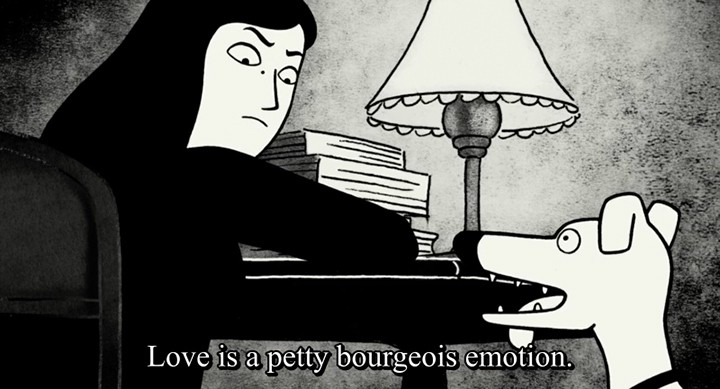
Upon her first major love, Marji unconsciously puts on rose-colored glasses. Harp music plays in the background, we see lovely scenes of nature, walks in the park, innocent flirtation and idealizing, until that is, she finds him in bed with someone else. Post break-up, her memories start to comically change, recalling instead the not-so-pretty reality of her first boyfriend. He takes on a more cowardly personality, suddenly has acne and an endless supply of mucus and hides behind Marji during difficult situations. The deeper truth shown here is that first love is often romanticized. But the realization of her relationship’s beatification is done in a humorous fashion.

Another subtle theme Persepolis puts forth is the coupling of humor in the face of adversity. Marji buys a misspelled jacket that says “Punk is not Ded” at a time when items from the West are banned and cheekily covering her tracks when she gets called out for it. Her psychologist makes doodles instead of listening to her problems. “Eye of the Tiger” plays as Marji battles depression. In lieu of the usual montage that shows the progression of physical strength, it shows her getting her life back together (showering, waxing her legs, singing the song off key, going back to school etc…) and that ties into another big aspect of the film, the search for her identity.


THE SEARCH FOR IDENTITY

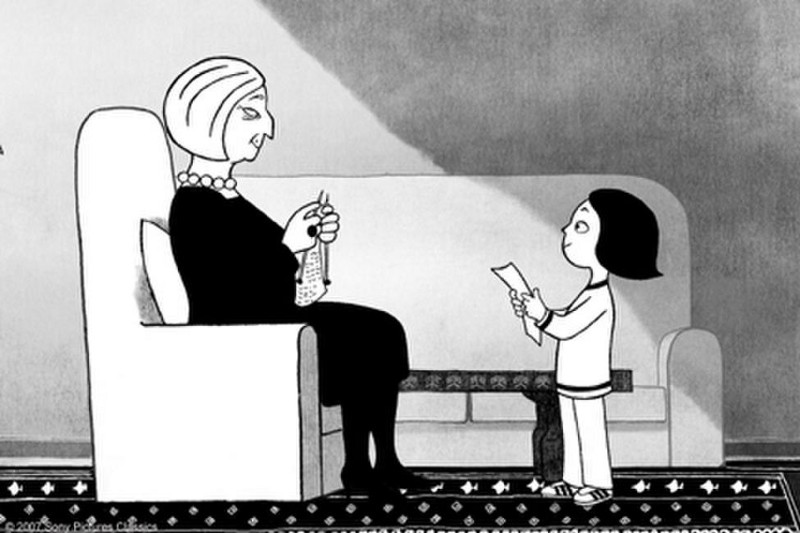
At a young age, Marji believed she was destined to be a prophet. She even had conversations with God, which changed into conversations with God and Karl Marx later in her life. That perhaps bled into her relatable struggle of not fitting in and her conflicted and complex relationship with religion. For Marji not fitting in is expressed through how she feels closely tied to the West while in Iran, but misses it when she finds herself in Europe. She doesn’t quite feel at home in either; an outsider in Austria, and coming back to an Iran that’s unrecognizable to her. In terms of religious expression, she is at odds with the switch to a fundamentalist regime that believes piety is the only way. This is echoed in her atttitude, while in Europe, at being housed by nuns who also have strict ideas that Marji opposes, which has to do with her contempt of authority. This contempt melts away with the authority of family figures. Marji bases a lot of her decision-making on the values of integrity and honor instilled by her grandmother who is a sweet, caring and wise figure in her life. Marji carries with her, all throughout, this grace and resilient mentality that she inherited. It is fitting that the movie ends with the jasmine petals falling down, the same ones that were used daily by her grandmother. A touching end to a beautiful movie. Satrapi, no need to worry, you made your grandmother proud.


A Note On Diversity

Positive Persian representation is often overlooked in cinema, usually veering to the harmful . The director is a woman and this is a female driven story. It highlights women’s issues around the world and the dangers that can come with feminism and sexual liberation. It shows activism within political instability and much more. Persepolis treats issues of identity, religion, double standards regarding gender, and culture shock with great subtlety, impact and beauty.

Article (written by me) also published on Incluvie’s Medium Page.

MIB INTERNATIONAL REVIEW

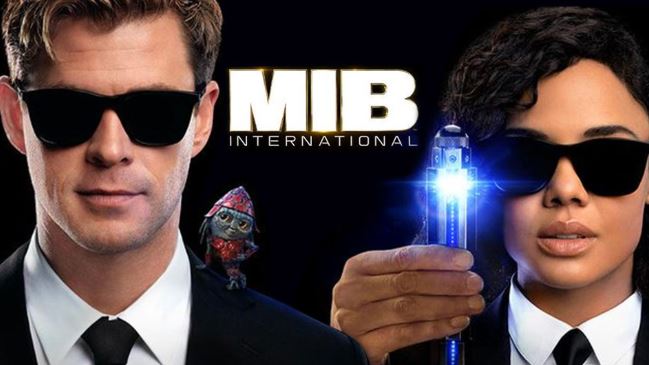
I SO wanted to love this movie. It was a reboot that was not unwelcome from a franchise that was so entertaining and easy to like, but unfortunately, this wasn’t the movie we all hoped for.

BEST PARTS IN THE TRAILER

It was one of those movies where all the best parts get used for the trailer and the rest seems like plot devices to get from one scene shown in the trailer to another. But props to whoever put their trailer together. I have to say, the trailer was REALLY well developed. Credit where credit is due. Fast-paced, fresh, funny and showing off the lead actors’ charisma. Backed with Missy Elliot’s upbeat: “WTF”- what’s not to like?

The lead duo’s chemistry was undeniable in “Thor: Ragnarok” (incidentally, one of my favorites of the Marvel Universe) but in this one, it kind of fell flat.

CHARACTER COMPARISON

What worked in the first series was how the characters played by Tommy Lee Jones and Will Smith were at odds with each other. K’s stone cold faced always provided a laugh and K’s confidence met with his alien learning-curve gave us that audience insight. We were learning the world with him.

In MIB: International, it is less stark of a contrast. M and H seems to operate *slightly* differently. M is prepared, H is go-with-the-flow. But deep down, they like each other. Even awkwardly hinting at a romantic interest, which was confusing. Either make it a strictly professional relationship or make it a love story about a badass couple saving the world. The in-between did not work and came out of nowhere. Which begs the question: why? and: who was this for?

As for the audience perspective, I believe they tried to fit Tessa Thompson’s M into the role J once had, allowing us to see the world through her eyes. M is a noobie (sure) but knows SO much more than J ever did about the alien world going in, so a lot of the comedy about the novelty of the alien world is lost. Even though her “zero chill” attitude was funny at times.

“We are the Men in Black… the men AND women in black”

There were A FEW MOMENTS of laughs. Kumail Nanjiani’s “Pawny” brings about some genuine laughs but not enough to justify him as a character. Agent C seems like a useless character as well, a plot device for us not to be sure who to trust. There just to make things harder for our hero, without much of a personality apart from “stickler nerd”.

SPOILERS AHEAD!!!!!!

CONFUSING NOT INTRIGUING

The whole movie we are led to believe The Hive is back, a supposedly defeated enemy that can take on other people’s appearance, much like the Lara Flynn Boyle character in MIB II. We get hints that Chris Hemsworth’s character is probably part of The Hive. Everyone says he “acts differently” and is “not the same” since his battle to defeat The Hive a couple years earlier. Then, at arguably the crux of the whole movie, we found out that Chris Hemsworth’s character, H, has been neuralyzed. Thus the logical conclusion being that that’s why he’s not his former self, and that his British mentor (pun-supreme-named “High-T”) and head of MIB London had to be the one to neuralyze him, therefore making High-T the villain, as they two were the only ones who fought The Hive. This was not an ending I particularly cared about because I didn’t care much for H and High-T’s relationship to begin with.

RUSHED, RUSHED, RUSHED

With that said, they build up this epiphanous moment up for the whole movie and then gloss over it in two seconds. The realization happens as a new action sequence starts. H discovers he’s been neuralyzed, that his mentor was the villain all along and then.. the scene immediately cuts to an action sequence. There is no time to breathe or connect, no time to realize the depth of just what that realization entails, no time to care.

And then that fight scene with Liam Neeson’s High-T didn’t make much sense either. H proclaims halfway through seeing the face of his once-mentor change into an aggressively monster-looking creature that “I believe he’s still in there” as if the alien was a poltergeist demon inhabiting High-T’s body, which only confused me even more about the mechanics of The Hive and made me question what little I knew.

Seemed to rely too much on the cast and not enough on the script. A disappointment, sure, but one I probably will be made to forget when SONY and COLUMBIA PICTURES neuralyze me.

Confused and rushed. The best part was the trailer. – ⭐ ½