“Driveways” Review

The real thing Driveways has got going for it is its quiet power and simplicity.

I was able to watch this movie because of a program my local movie theaters are doing. They banded together in order to let out new releases for which you can buy virtual movie tickets. I got an online “movie ticket”, and supported my local theater all without leaving the home. Even though it wasn’t the thrill of “going to the movies” it was the next best thing. If your city does something similar, it might be worth checking out!
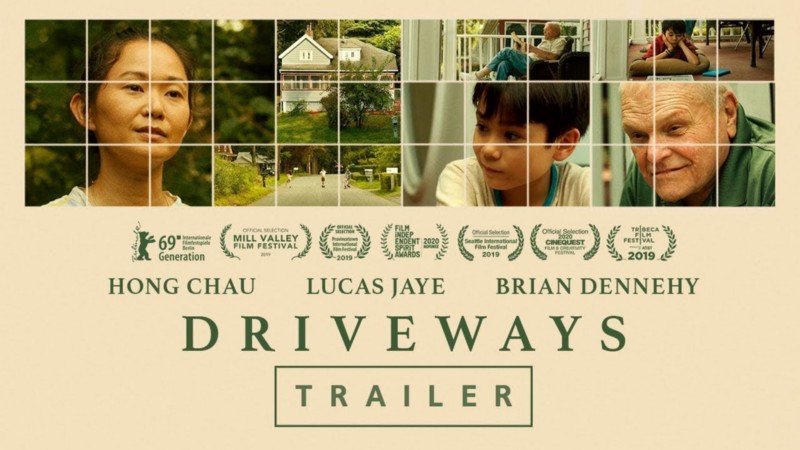
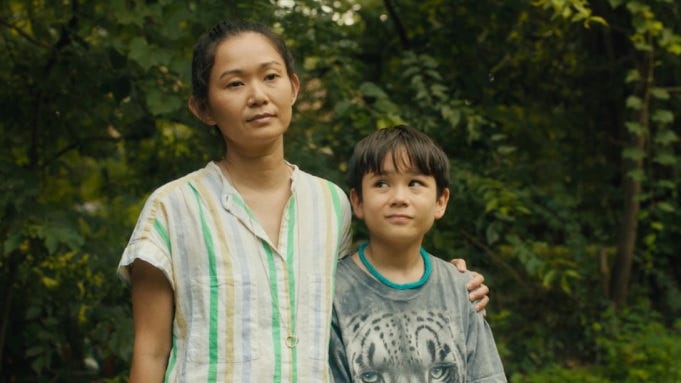
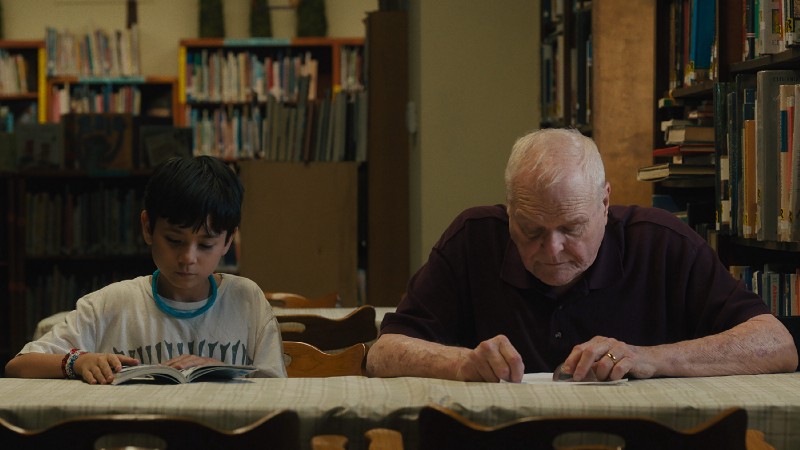
Driveways is about an Asian American family who moves into a dead relative’s home in order to clean it out. The family is made up of a mom Kathy (the estranged sister of April, the late relative) and Kathy son, Cody. Though it goes back and forth between both characters’ points of view, this seems to be mainly Cody’s story. We understand the predicament they find themselves in mostly through his eyes. It’s also a story of acceptance, being an outsider, and friendship.

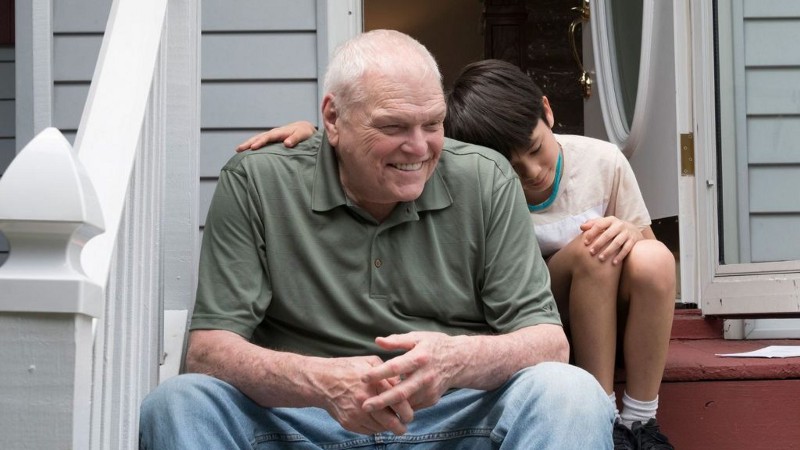
They befriend their Korean-war-vet neighbor Del, who is significantly older than them. He is played by the late Brian Dennehy. This was his last movie, and it was fortunately a compelling and moving one.


So, what was so enjoyable about Driveways?

The Powerful Subtlety

Themes of loss, decay, and regret are treated with respect and aplomb. Directed Andrew Ahn gently guides the audience towards understanding the implications of losing a family member. A family member that not only left behind a fraught sibling relationship, but also a hoarder-level amount of belongings to sort through. In some ways, the cleaning of the house for Kathy was the reparation of the broken relationship between the two. By taking on the task, sifting through all of April’s possessions and staying in her home, she learns more about her sister than ever before. They didn’t know each other much as adults, but by bonding through her sister’s earthly possessions Kathy became friends with April, from beyond the grave. And the subtle message of understanding an eccentric family member and accepting them for who they are comes through.
The Simplicity of the Story

Not much happens in Driveways, taking more from everyday life than from a typical movie structure. Aside from minor difficulties, there was no major conflict in the movie. Instead, there were major internal conflicts. Those took the shape of feelings of regret, and that simply being alive was a conflict in its own right. The real estate agent was super helpful, Cody became friends with the neighbor instantly, etc… but the mom was also struggling emotionally with the weight of the house and its financial implications and Cody struggled with fitting it and finding a play partner. He eventually found one in their neighbor Del and they struck up a May-December friendship. The neighbor’s internal conflict is his fear of aging, and the regret he feels about his reaction for not supporting his daughter as much as he could have when she came out as a lesbian (many years beforehand). These issues are not fantastical. They are common problems which tap into a broader picture of simple, yet very human, experiences. The simplicity of the story, and the time dedicated to each character allows us to follow their struggle.

Driveways doesn’t speed up the process just so that it can fit into the framework of a bookended movie.

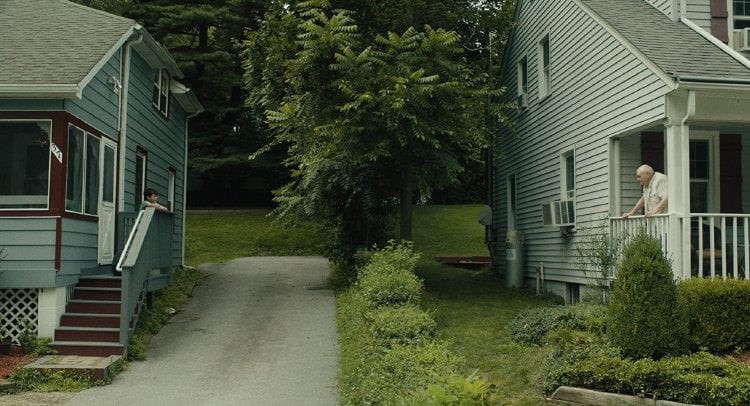
Lush setting and evocative score

Shot in Poughkeepsie, NY, the backdrop in Driveways is gorgeous: green, lush and full of bucolic shots of a pleasant summer. The richness in the nature surrounding them only enhances the powerful relationships. The movie almost seemed like it was lit through a green filter, creating a relaxing tone. The green tone could also symbolize the internal growth each character makes. Kathy decides she might want to stay in the house, Cody is no longer scared of playing with friends his own age, and Del accepts a change in his life. The setting therefore functions as a vehicle for the characters.
The score was a pleasant surprise. Much like the exterior, it created an ambiance of serenity, simplicity and emotion. [composer] manages to evoke the same feelings of growth, struggle, and regret that the characters go through.

A moving movie - ⭐⭐⭐⭐
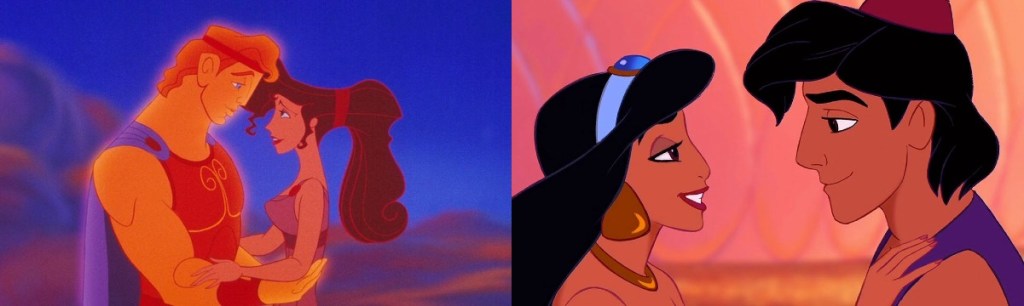
Let’s Hope Disney’s “Hercules” Remake isn’t Another “Aladdin”


Disney’s remake library is about to get just a little bit bigger with the news of the live-action remake of their 1997 animated hit, Hercules. Hercules and Aladdin just so happen to be two of the most well-received movies from the 1990s’ Disney Studios renaissance. 2019’s Aladdin was a disappointing remake. Though it did fine at the box office, it was panned by critics, received a 57% on Rotten Tomatoes (as opposed to the original’s 95%) and understandably stirred controversy online for not addressing the harmful Arab representation of the first one. So if Disney wants to avoid another Aladdin situation, what are the pitfalls they can avoid with Hercules?


Changing the tonal nature of the movie.

1992’s Aladdin and 1997’s Hercules shared a similar light-hearted tone and colorful animation.

ALADDIN

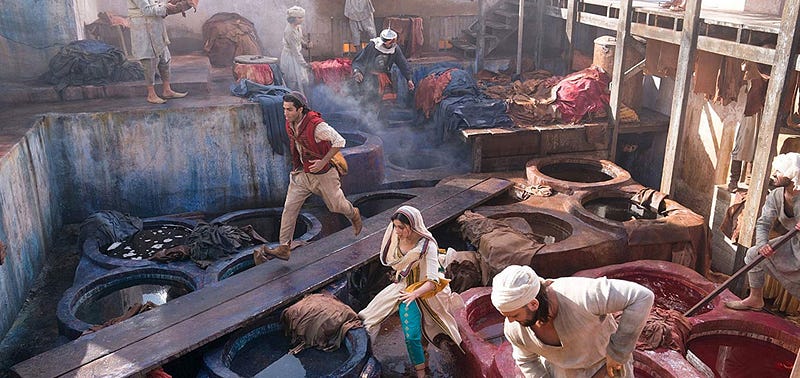
With Guy Ritchie at the helm, the 2019 Aladdin created kaleidoscopic chase scenes with dynamic camera movements. Though stylistically interesting, the cinematography and quick edits did not fit with the family friendly, fairy tale-esque tone of a starry-eyed Disney movie. Though a Guy Ritchie trademark, the chase sequences and action packed moments did not fit. Aladdin should not resemble Sherlock Holmes or Lock, Stock and Two Smoking Barrels. Instead, it should adopt the whimsical, soft light and wonder-filled tone of a kids movie. Trying to clumsily incorporate two different tones will dilute the quality of both. Though 2019 Aladdin tried to inject as much color as its original, it still felt as if it were tinted with a cold, bluish filter, therefore making the magical elements (Magic Carpet, Genie, etc..) seem more computerized and less whimsical.

HERCULES

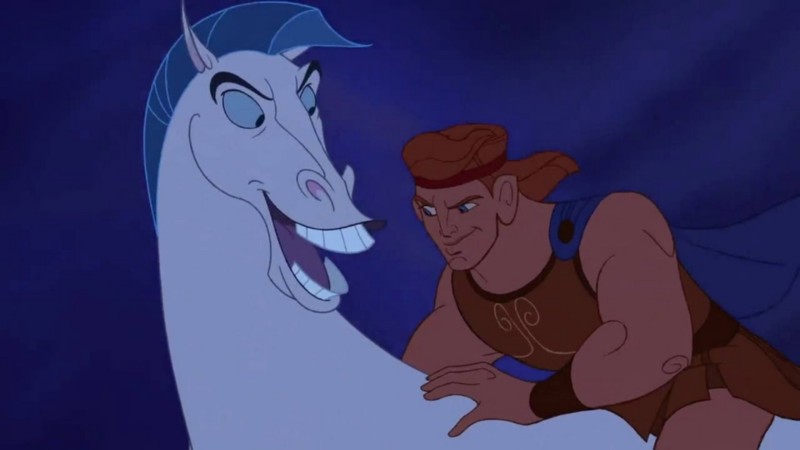
Hercules has an analogous child-like innocence to it. A simple and strong story added to a colorful animation to create its tone. By using vibrant colors for the Gods and darker gradations for the underworld, we got another element of visual storytelling.

The Pitfall: turning it into a Beowulf -type greyscale gritty remake and veering too far away from the warm and friendly tone of the original.


Trying to Recapture the Magical Performance of the Original.

One of the biggest similarities between both animated versions is an incomparable voice performance.

ALADDIN

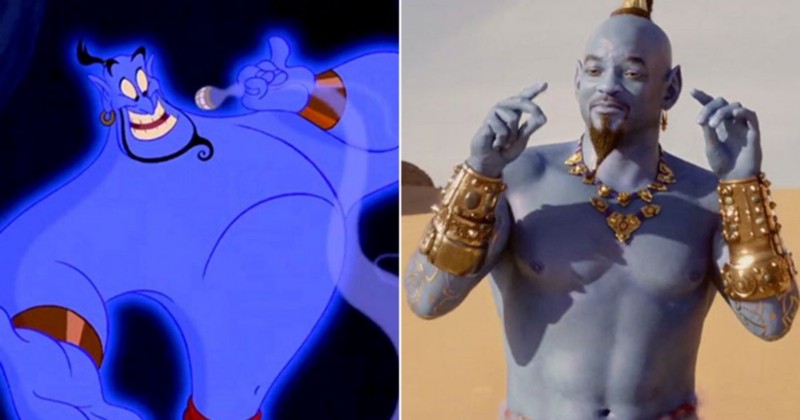
For Aladdin, that was obviously the Genie. No would could ever churn out a performance with more comedic ability, energy and stream of consciousness improvisation than Robin Williams. That was unmatchable voice work. Though a valiant effort, even veteran voice actor Dan Castellaneta (who plays none other than Homer Simpson on The Simpsons) voiced the Genie on the animated remakes, which were not as well received.

In the 2019 version, Will Smith did the best he could, but he tried too much to be like Robin Williams, the larger-than-life, pop culture referencing comedian who talks a mile a minute. What that did was only remind the audience that he was not Robin Williams. It was too similar of an interpretation of the Genie and so Will Smith had the misfortune of having an insurmountable task: trying to replicate -or worse- improve upon Robin Williams’ performance. Will Smith is a good actor so he muddled through, but asking him, or any actor, to operate and think like Williams is an impossible demand.

HERCULES

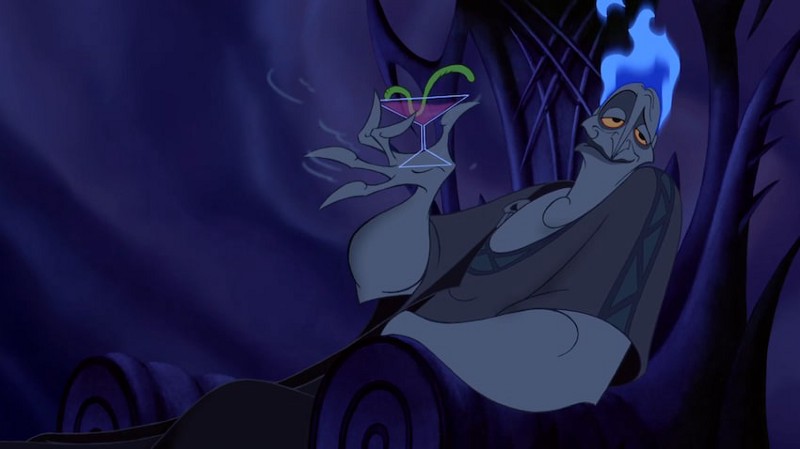
James Woods’ “Hades” tour de force performance is uniquely brilliant. His wit, dry, deadpan delivery only elevates the movie and crystallizes the drama and three dimensional villainy of the character.

The Pitfall: to have someone try and mimic the original performance. Whoever they pick would have to differ from that characterization of “Hades”. By doing that, the potential actor would make Hades their own, and mount a unique perspective on the troubled villain of the movie. Also, while a good voice actor, please don’t cast James Woods again.


Leaning on the Source Material

Both of the original movies were based on old literary tales.

Tales from 1,001 Nights by Anonymous: 9780241382714 ...

ALADDIN

It’s hard to place exactly where Aladdin occurs because the literary source material is itself controversial. Disney set both of their Aladdin movies in the fictional and vaguely Syrian city of Agrabah. Most of what we know of Aladdin is not from Scheherazade, but from Antoine Galland’s french translation of 1001 Nights in the 18th Century (whom he transcribed from a Syrian storyteller). In that version, Aladdin is actually Chinese. This taps into a tragically Orientalistic retelling of Aladdin. For those who are unfamiliar, orientalism is the practice of augmenting a culture’s exoticism and has its roots in colonial era-xenophobia. Simply put, Western or European writers (in this case, Galland) mystify a culture in order to sell it to European markets and gain from the East meets West confusion by portraying the East as a backwards, mysterious and homogenous culture (aka, the “Orient”). Disney capitalized on this Orientalism by borrowing from Indian architecture (the sultan’s palace is a replication of the Taj Mahal), Middle Eastern culture, and by leaning into exoticism and mystery.

HERCULES

Hercules is, of course, based off of Greco-Roman mythology. The 1997 movie transposed some elements to current day. Thebes became a foil for New York and Danny Devito’s character borrowed more from a “New Yorker” stereotype. He was a sarcastic know-it-all: hardly an ancient Greek stock character. That being said, the actual plot of the film was a pretty good synthesis of the Greek mythology, but with a few modern twists and turns.

The Pitfall: Making it too historical or too modern. The original balanced between both pretty well, which is the reason for its relatability and success. Though it doesn’t have as many historical and socio-political ramifications as Aladdin did, it should nonetheless try to capture Ancient Greece better than a Hollywood blockbuster like Troy.


Those are the potential pitfalls to avoid, I wish Disney and all the filmmakers, cast & crew the best of luck on the Hercules remake.